April 18, 2026

branding

With branding iron on wood at the forefront, this technique embodies the essence of craftsmanship, allowing artisans to leave their mark on creations that tell a story. From its historical roots to modern-day applications, branding irons have evolved into vital tools in the woodworking industry, helping to elevate products through unique designs and personalized touches.

Understanding the intricacies of branding irons opens up a world of possibilities for both hobbyists and professionals alike. Whether you’re looking to add a personal touch to your woodworking projects or enhance the value of your handcrafted items, mastering the art of branding can set your work apart and create a lasting impression.

Definition and Importance of Branding Iron
Building a brand strategy: Essentials for long-term success

Branding irons are essential tools in the woodworking industry, serving both functional and decorative purposes. A branding iron is typically made of metal and features a design or logo meant to leave an imprint on wood surfaces. This mark not only signifies ownership but also represents craftsmanship and quality. In an age where individuality and branding are paramount, the use of branding irons has gained traction as artisans and manufacturers seek to establish their unique identity in the marketplace.Historically, branding irons trace their roots back to ancient civilizations where they were used to mark property and livestock.

Over time, their application expanded beyond mere identification to encompass the realms of artistry and craftsmanship. The evolution of branding irons from simple designs to intricate, personalized logos reflects the changes in technology and artistic expression. Today, branding irons can be custom-made in various shapes and sizes, allowing woodworkers to showcase their brand effectively.

Types of Branding Irons Used for Wood

Different types of branding irons exist, each with its specific features and applications in woodworking. Understanding these variations helps artisans choose the right tool for their branding needs.The following are notable types of branding irons:

  • Electric Branding Irons: These irons provide consistent heat and are often adjustable, allowing for precise temperature control. They are ideal for quick and efficient branding on larger projects.
  • Handheld Branding Irons: Traditionally heated over a flame, these irons require manual handling. They are perfect for smaller, detailed work and offer a rustic charm.
  • Custom Branding Irons: Artisans can create unique designs tailored to their brand. These are made to specifications, ensuring that logos and designs are precisely engraved.
  • Cold Branding Irons: Unlike traditional branding methods, cold branding uses extreme cold to create an indentation. This technique is less common in woodworking but is sometimes used for specific finishes.

The versatility in branding iron types allows woodworkers to select tools that best fit their production style and branding goals.

“Branding irons not only serve to mark wood but also tell a story of craftsmanship and individuality.”

Materials Used for Branding Irons

Branding irons are essential tools for creating lasting impressions on wood, leather, and other materials. The choice of material used in the construction of these branding irons significantly impacts their performance and durability. Understanding the characteristics of different materials can help users select the most suitable option for their branding needs.

Several materials are commonly used in the manufacturing of branding irons, each with its unique advantages and disadvantages. The choice of material can affect factors such as heat retention, longevity, and the quality of the branding mark. Here are some of the most frequently used materials:

Steel

Steel is perhaps the most commonly used material for branding irons due to its strength and ability to retain heat effectively. It provides a durable and reliable choice for long-term use.

  • Pros: Highly durable, excellent heat retention, and relatively low cost. Steel branding irons can produce clear, defined marks on a variety of surfaces.
  • Cons: Can rust if not maintained properly, and may require pre-heating before use, which can limit convenience.

Examples of brands that utilize steel branding irons include many artisanal woodworking shops that prioritize durability and precision in their branding.

Brass

Brass branding irons are known for their excellent conduction of heat and resistance to corrosion, making them a popular choice for smaller brands and detailed designs.

  • Pros: Good heat conductivity, resistant to rust, and capable of producing fine detail in branding.
  • Cons: Softer than steel, which may lead to quicker wear and tear if used on tougher materials.

Craftsmen who focus on branding delicate designs often favor brass, as it allows intricate patterns to be showcased effectively.

Aluminum

Aluminum branding irons are lightweight and easy to handle, making them a good option for those who need to brand items frequently or need a portable solution.

  • Pros: Lightweight, easy to maneuver, and generally resistant to corrosion.
  • Cons: Lower heat retention compared to steel and brass, which may result in less defined branding marks.

Aluminum branding irons are often used in industries where frequent branding is necessary, such as in event merchandising or when branding promotional items.

Cast Iron

Cast iron branding irons are known for their ability to hold and distribute heat evenly, providing consistent branding results across various materials.

  • Pros: Excellent heat retention and stability, making it suitable for heavy-duty branding.
  • Cons: Heavier than other materials, which may not be ideal for all users, and can be more expensive to produce.

Brands that require high-quality, consistent marks on larger items, such as furniture makers, often utilize cast iron branding irons for their robust performance.

Choosing the right material for branding irons can significantly influence the quality of the finished mark and the durability of the tool itself.

Techniques for Branding on Wood

Branding wood is an art form that not only marks the surface but also adds a personal touch to various projects. Utilizing a branding iron allows for unique designs and logos to be etched into wood, creating a lasting impression. Understanding the techniques involved can ensure that the final product is both visually appealing and durable.To effectively brand wood, it is crucial to follow a precise process.

This involves preparing the wood, heating the branding iron, and applying it with the right technique. Each step plays an integral role in achieving a clear and defined impression.

Step-by-Step Process of Branding Wood

The branding process can be broken down into a few essential steps that ensure optimal results. Here’s how to go about it:

1. Choose the Right Wood

Select a smooth, softwood like pine or cedar for better results. Hardwoods like oak may also be used, but they require more heating time.

2. Prepare the Surface

Sand the wood lightly to create a smooth surface for branding. This ensures that the branding iron makes even contact.

3. Heat the Branding Iron

Use a propane torch, electric heat source, or a branding iron heater to heat your iron evenly. Aim for a temperature of approximately 800°F to 1000°F.

4. Test the Heat

Before branding the actual piece, do a test brand on a scrap piece of wood. This helps determine if the iron is at the right temperature.

5. Position the Branding Iron

Place the branding iron on the wood, ensuring it is aligned correctly. Apply firm, even pressure.

6. Apply Pressure and Timing

Hold the iron in place for about 5 to 10 seconds, depending on the wood type and desired darkness. Remove the iron smoothly.

7. Inspect the Impression

After lifting the iron, evaluate the branding. If needed, you can enhance the depth or clarity by repeated applications.

Best Practices for Heating a Branding Iron

Properly heating the branding iron is vital for achieving a clean and professional finish. Here are some best practices to follow:

Use a Consistent Heat Source

Whether it’s electric or propane, ensure that the heat source maintains a steady temperature to avoid fluctuations.

Avoid Overheating

Overheating can burn the wood and produce a blurry impression. Always monitor the temperature closely.

Allow for Even Heating

Rotate the branding iron if using a flame source to ensure every part of the iron is heated uniformly.

Use a Thermometer

If possible, use a cooking thermometer to accurately measure the temperature of the branding iron.

Common Techniques for Achieving Clear Branding Impressions

Achieving a clear and distinct branding impression requires attention to various techniques. Here are some key methods to consider:

Controlled Pressure

Apply consistent pressure while branding. Too much pressure can cause blurring, while too little may result in a weak impression.

Proper Timing

Timing is crucial; holding the branding iron too long can scorch the wood, while too short will yield a faint mark.

Test Different Techniques

Experiment with varying the angle of the branding iron to see how it affects the impression.

Maintain Cleanliness

Keep the branding iron clean from residue or charred wood to ensure each impression remains consistent.By adhering to these techniques, the branding process not only becomes easier but also enhances the quality of the final product. Each brand reflects skill and craftsmanship, making the piece unique and personalized.

Customization of Branding Irons

The customization of branding irons allows individuals and businesses to create a unique mark that reflects their identity, values, or brand. Whether for personal projects, gifts, or commercial use, the ability to customize a branding iron enhances its significance and utility. Custom branding irons can be tailored to feature logos, names, or any creative designs, making them essential tools for artisans, entrepreneurs, and hobbyists alike.There are several options available for customizing branding irons, which cater to various needs and preferences.

These options include selecting the type of branding iron—electric or manual—as well as the design, size, and materials used in the creation of the branding element. Customization not only boosts the branding experience but also enables individuals to express their creativity.

Available Customization Options

When considering customization options for branding irons, it is important to recognize the variety of choices that can help create a distinctive mark.

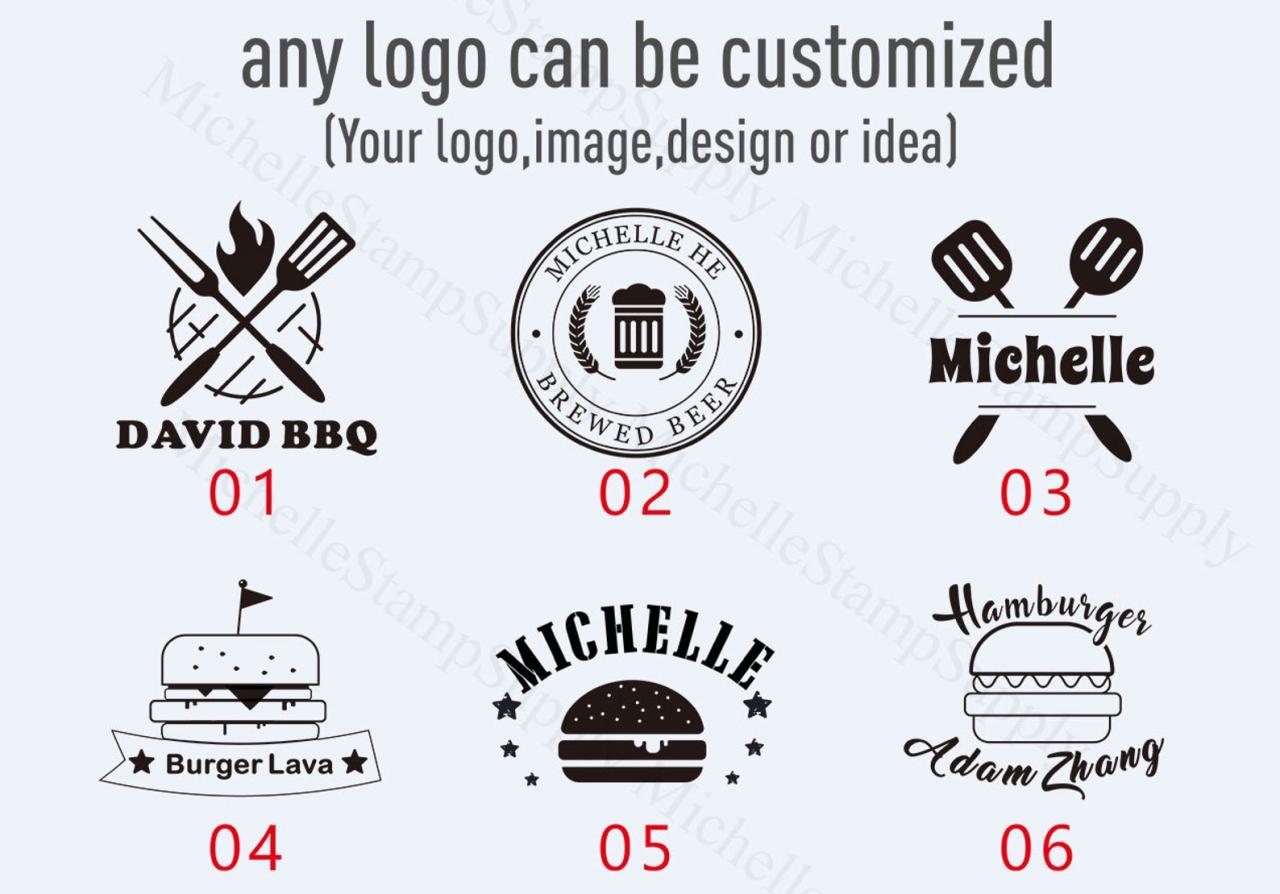
  • Design and Graphics: Custom branding irons can incorporate logos, initials, slogans, or unique artwork. Popular designs often include company logos, monograms, or thematic illustrations that resonate with the user’s personality or brand.
  • Size and Shape: Branding irons come in various sizes and shapes. The choice of size may depend on the project scope, while unique shapes can enhance the branding experience. Common shapes include circles, squares, and thematic Artikels that reflect the brand’s identity.
  • Material Choices: Branding irons can be made from different metals or alloys. Most commonly used materials include brass, steel, and copper, each providing distinctive heat retention and durability, affecting the quality of the imprint.
  • Handle Styles: The handle of a branding iron can be customized for comfort and ease of use. Options include wooden handles for a classic feel or ergonomic designs for enhanced grip during the branding process.

Popular Designs and Logos

The selection of popular designs and logos for branding on wood is vast and varies according to personal taste or business identity. Some widely recognized motifs include:

  • Company Logos: Many businesses opt to imprint their logos on wooden products to enhance brand visibility. For instance, furniture makers often use their brand logo to signify craftsmanship and authenticity.
  • Personal Monograms: Individuals frequently customize branding irons to include their initials, creating a personal touch on handcrafted items or gifts.
  • Themed Designs: Seasonal or thematic designs, such as holiday motifs or nature-inspired graphics, are popular for events like weddings or Christmas, providing a personal mark on items like gifts or décor.

Designing a Personalized Branding Iron

Creating a personalized branding iron from scratch involves several steps to ensure that the final product aligns with the desired outcome.

1. Conceptualization

Start by sketching out your ideas. Consider the elements you want to incorporate like shapes, letters, or symbols that represent your brand or personal style.

2. Choosing the Right Size

Decide on the dimensions of the branding head. Take into account the type of wood and the area available for branding to ensure the design fits well.

3. Material Selection

Choose a durable material that can retain heat effectively. Brass is a popular choice for its longevity and the quality of imprint it delivers.

4. Creating a Digital Design

Use software like Adobe Illustrator or free tools like Canva to create a digital representation of your design. Ensure the elements are scalable and clear for the crafting process.

5. Production

After finalizing the design, it can be sent to a manufacturer or crafted by hand. Some artisans offer services that allow for both custom design and manufacturing of branding irons to meet specific needs.By following these steps, individuals can create a branding iron that is not only functional but also a true representation of their vision or brand identity.

Safety Precautions When Using Branding Irons

Using branding irons can be an effective way to mark wood, but it comes with certain risks. Ensuring your safety and that of others nearby is paramount when handling such heated tools. Following the right precautions can prevent accidents and injuries while making your branding experience efficient and enjoyable.When using branding irons, it’s essential to be aware of the safety measures necessary to minimize risks.

The following points Artikel critical precautions and protective gear that should be used during the branding process.

Safety Measures When Using Branding Irons

To safeguard yourself and others while using a branding iron, consider the following safety measures:

  • Always work in a well-ventilated area to avoid inhaling smoke.
  • Ensure the branding iron is stable and secure before heating it up.
  • Keep flammable materials away from the branding area to prevent fires.
  • Never leave a heated branding iron unattended, as this poses a significant fire risk.
  • Allow the branding iron to cool down completely before storing it.
  • Use heat-resistant surfaces for branding to avoid damaging your workspace.
  • Be mindful of your surroundings, keeping children and pets at a safe distance.

Protective Gear for Branding

Wearing appropriate protective gear is essential for ensuring your safety during branding. Consider the following items:

  • Heat-resistant gloves to protect your hands from burns.
  • Safety goggles to shield your eyes from any sparks or debris.
  • Long-sleeve clothing to cover your arms and reduce exposure to heat.
  • A face mask or respirator if you are working in a poorly ventilated area to avoid inhaling harmful fumes.

Potential Hazards Associated with Improper Use

Improper handling of branding irons can lead to various hazards, which include:

  • Severe burns from direct contact with the heated iron.
  • Fires caused by flammable materials coming into contact with the branding iron.
  • Inhalation of toxic fumes released from burning wood or other materials.
  • Accidental injuries from dropping the hot iron or failure to secure it properly.

“Safety first: Proper precautions ensure a successful branding experience without unnecessary risks.”

Applications of Branding Irons in Woodworking

Branding irons serve multiple purposes in woodworking, going beyond mere decoration. They play a crucial role in enhancing the aesthetic appeal, authenticity, and value of the final products. In this section, we will explore various applications of branding irons in woodworking projects, how they add value, and their significance in establishing a unique identity for artisans.Branding irons can be utilized in a wide range of woodworking applications, impacting everything from furniture making to custom crafts.

They provide a professional finish to products and are particularly useful in personalizing items, thus creating a connection between the maker and the consumer. Here are some specific applications:

Furniture Branding

Branding irons are often used on wooden furniture to signify craftsmanship and authenticity. By branding a logo or a name onto tables, chairs, or cabinets, artisans can enhance the perceived value of their creations. Customers are likely to appreciate the personal touch, which can make furniture pieces more appealing.For example, a handcrafted dining table branded with the maker’s logo not only establishes a sense of ownership but also serves as a conversation starter in homes.

This branding communicates the quality and unique craftsmanship of the piece, making it more desirable.

Artistic Wood Products

In the realm of artistic wood products, branding irons allow artists to mark their unique style. Items like wooden toys, decorative boxes, or custom art pieces can benefit significantly from branding. Branding adds an extra layer of authenticity and can elevate the value of handmade items in the marketplace.Artists can create a signature style by incorporating a specific branding design, making their work easily recognizable.

This distinctive identity can help in building a loyal customer base and enhance the overall brand of the artist.

Personalized Gifts and Memorabilia

Branding irons are popularly used for creating personalized gifts. Items such as wooden picture frames, keepsake boxes, or coasters can be branded with names, dates, or meaningful quotes. This personalization transforms ordinary items into cherished keepsakes.For instance, a customized wooden box branded with a couple’s names and wedding date becomes a special gift that carries sentimental value, making it much more than just a functional piece.

Craft Workshops and Education

In educational settings, branding irons serve as a tool for teaching woodworkers about the importance of branding and identity. Workshops focused on woodworking can incorporate branding sessions, allowing participants to create and use their branding irons. This hands-on experience emphasizes the significance of marking one’s work and can inspire future artisans.In summary, branding irons have diverse applications in woodworking, from providing authenticity in furniture making to personalizing artistic creations and gifts.

Their ability to enhance product value and establish a distinctive identity for woodworking artists highlights their essential role in the industry.

Maintenance and Care for Branding Irons

Proper maintenance and care for branding irons are essential for ensuring their longevity and effectiveness. Just like any tool, neglect can lead to rust, residue buildup, and a decline in performance. By implementing a few simple practices, users can keep their branding irons in top condition, ready for each project.To extend the life of branding irons, it is crucial to follow specific maintenance practices.

Regular upkeep not only preserves the tool’s integrity but also enhances the quality of the branding results. Incorporating these practices into your routine will ensure your branding iron remains a reliable asset in your woodworking endeavors.

Cleaning Methods to Prevent Rust and Residue Accumulation

To keep branding irons free from rust and residue, regular cleaning is vital. Here are effective methods to maintain your branding iron’s surfaces:

  • After each use, clean the branding iron with a soft cloth while it is still warm. This helps remove burnt wood particles and prevents residue buildup.
  • For tougher residue, use a brass brush to gently scrub the iron’s surface. Be cautious not to scratch or damage the metal.
  • Apply a light coat of vegetable oil or mineral oil to the iron after cleaning to create a protective barrier against moisture and rust.
  • For deeper cleaning, soak the branding iron in a solution of warm water and mild detergent for a short period, then scrub and rinse thoroughly.

Storage Tips for Safe and Effective Protection

Proper storage of branding irons enhances their lifespan and performance. Consider the following tips when storing your branding tools:

  • Store branding irons in a dry, cool place to prevent moisture exposure, which can lead to rust.
  • Use a dedicated tool organizer or case to keep branding irons separate from other tools, reducing the risk of damage or accidental contact.
  • Consider hanging the branding iron on a pegboard or rack to maintain its shape and prevent warping.
  • Always ensure that the branding iron is completely cooled down before storing to avoid any heat-related damage to storage surfaces.

“Regular maintenance not only prolongs the life of your branding iron but also enhances the quality of your work.”

Ultimate Conclusion

In summary, the journey of mastering branding iron on wood is both rewarding and creative, offering a unique way to showcase identity in woodworking. By adhering to best practices, exploring customization options, and ensuring safety, artisans can enhance their craft while leaving an unforgettable mark on their creations. Embrace the tradition, and let your brand shine through your work!

Answers to Common Questions

What is the best material for a branding iron?

Brass and steel are popular choices; brass is corrosion-resistant while steel is durable and conducts heat well.

How do I know when my branding iron is hot enough?

A good indicator is when the metal glows red, but you can also test it on a scrap piece of wood.

Can I use a branding iron on different types of wood?

Yes, but softer woods may scorch more easily, while harder woods can provide clearer impressions.

How do I clean my branding iron?

Allow it to cool, then wipe it with a cloth; for stubborn residue, use a wire brush.

Are there any eco-friendly branding options?

Yes, you can use branding irons made from recycled materials or consider wood-burning techniques for a more natural approach.
Branding iron examples offer a unique glimpse into the artistry and utility of this age-old tool, which has transcended its traditional use in agriculture to find a place in various industries today. From custom designs to iconic brands, these tools reflect both history and innovation in branding practices.

In exploring the world of branding irons, we uncover the diverse materials, sizes, and shapes that cater to different needs, as well as the evolution from traditional irons to modern electric versions. Whether used for livestock, crafts, or furniture, branding irons tell a story of identity and craftsmanship.

Branding Iron Basics

Branding irons have a rich history and serve essential purposes across various industries, primarily for marking products and livestock. This practice dates back to ancient times, where branding was used as a means of identification and ownership. Today, the application of branding irons has expanded, encompassing not just the agricultural sector but also manufacturing, artisanal crafts, and even promotional branding for businesses.The materials utilized in crafting branding irons significantly impact their functionality and durability.

Different metals and compositions are employed to ensure effective branding. Common materials include:

  • Steel: The most prevalent material due to its strength and heat retention, making it ideal for lasting impressions.
  • Brass: Often used for smaller, intricate designs; brass offers excellent detail and is resistant to corrosion.
  • Aluminum: Lighter and more affordable, though it may not provide the same durability and heat retention as steel or brass.

The size and shape of branding irons vary greatly based on their intended use. The diverse range available in the market caters to different branding needs, from livestock to promotional items. Understanding the various options helps in selecting the appropriate branding iron for specific applications.

Materials Used for Branding Irons

The choice of material is crucial in the effectiveness and longevity of branding irons. Each material offers unique attributes that can influence the quality of branding. Some notable materials include:

  • Carbon Steel: Known for its hardness and ability to retain heat, making it perfect for deep, clear imprints.
  • Stainless Steel: Offers corrosion resistance and is ideal for environments where exposure to moisture is a concern.
  • Copper: Used for specialty items due to its excellent thermal conductivity and ability to produce detailed designs.

Brands often choose materials based on their specific branding requirements, such as the type of surface being branded and the desired depth of the mark.

Sizes and Shapes of Branding Irons

The variety in sizes and shapes of branding irons allows for versatility in branding applications. This diversity ensures that businesses and individuals can find a branding iron that meets their specific needs.The options include:

  • Standard Sizes: Typically range from 2 inches to 4 inches in height; suited for general branding tasks.
  • Custom Shapes: Tailored designs may include logos or unique symbols for promotional branding.
  • Multi-Use Irons: Some branding irons come with interchangeable heads, allowing users to change designs easily.

The choice of size and shape depends on the branding area, the nature of the product, and aesthetic preferences, ensuring that each branding will be effective and visually appealing.

Popular Branding Iron Examples

Branding irons have long been a vital tool for businesses wanting to establish a unique identity. They not only serve as a means of marking products but also convey the essence of a brand’s values and heritage. In this section, we will explore some well-known brands that utilize branding irons, the significance behind their designs, and the evolution from traditional to modern branding techniques.

Well-Known Brands Using Branding Irons

Several iconic brands employ branding irons to leave an indelible mark on their products, reinforcing their identity and craftsmanship. Here are a few notable examples:

  • Jaguar: Their branding iron touches the leather interiors of vehicles, symbolizing luxury and attention to detail.
  • Louis Vuitton: Known for their exquisite leather goods, LV uses branding irons to emboss their logo, underscoring their commitment to quality.
  • Ranch Brands: Many ranchers use branding irons to mark livestock, showcasing heritage and ownership in agricultural practices.

The significance of these branding irons lies not just in their physical imprint, but also in the story and tradition they represent. Each mark serves as a badge of authenticity, often elevating the perceived value of the product.

Distinctive Branding Iron Designs

Businesses frequently develop unique branding iron designs that encapsulate their brand ethos. These designs often feature specific shapes, logos, or initials that are easily recognizable.

  • Custom Logos: Many companies invest in custom-designed branding irons that embody their logo, giving products a personalized touch.
  • Symbolism: Some brands incorporate symbols reflecting their mission or history, enhancing the connection between the product and consumer.
  • Artistic Elements: Innovative designs might include intricate patterns or motifs that convey an artistic flair, making the branding itself a part of the product’s appeal.

These distinctive designs play an essential role in brand recognition and consumer loyalty, as they communicate the brand’s personality and values at a glance.

Comparison of Traditional and Modern Branding Irons

Traditional branding irons, typically made of metal and heated in a fire, have been a staple in various industries for centuries. In contrast, modern electric branding irons have revolutionized the process, making branding more efficient and precise.

  • Heat Source: Traditional branding irons rely on open flames, while modern variants use electric heat, ensuring consistent temperature control.
  • Ease of Use: Electric branding irons often come with adjustable heat settings, making them user-friendly and adaptable to various materials.
  • Speed: Modern branding irons significantly reduce branding time, allowing businesses to scale production without compromising quality.

The transition from traditional to modern branding methods reflects the evolution of craftsmanship in business, where efficiency and quality go hand in hand. This evolution has further enabled brands to maintain their identity while adapting to the demands of contemporary markets.

Custom Branding Irons

Creating a custom branding iron is an exciting endeavor that allows businesses to leave a lasting impression on their products and packaging. This personalized touch not only enhances brand identity but also communicates quality and craftsmanship to customers. Crafting a branding iron that perfectly reflects the values and aesthetics of a business can involve a multifaceted approach, incorporating design, materials, and functionality.When designing a custom branding iron, several factors come into play to ensure that the final product meets the specific needs of the business.

Consideration must be given to the material of the branding iron, the size and shape of the brand, and the complexity of the design. These elements directly influence the effectiveness and clarity of the branding process. Furthermore, understanding the intended use—whether for wood, leather, or other materials—will guide the selection of appropriate heat levels and branding techniques.

Factors to Consider When Creating Personalized Branding Irons

Several critical factors play a significant role in the design and functionality of custom branding irons. A thorough understanding of these factors can enhance the outcome of the branding process.

  • Material Choice: The type of material used for the branding iron affects both durability and heat retention. Common materials include brass, steel, and aluminum, each having unique properties that determine their suitability for different applications.
  • Design Complexity: Simplified designs typically yield clearer impressions, while intricate designs may require specialized techniques to ensure fidelity during the branding process.
  • Size and Shape: The dimensions of the branding iron must be proportionate to the products being branded. A larger branding iron may be necessary for bigger items, while smaller ones can be used for delicate tasks.
  • Intended Use: Understanding whether the branding iron will be used on wood, leather, or other materials informs decisions about temperature settings and design intricacies. Different materials require different approaches for optimal results.
  • Brand Representation: The branding iron should reflect the essence of the brand, including the logo, slogan, or any symbolic imagery that aligns with the business’s identity and marketing strategy.

Customization Options for Branding Irons

When it comes to customizing branding irons, there are numerous options available to help businesses create a unique and effective branding tool. Exploring these options can facilitate a branding iron that truly embodies the spirit of the business.

  • Logo Design: Businesses can incorporate their logo, which serves as a visual representation of their brand, ensuring it stands out.
  • Text Options: Customizable text allows for the inclusion of names, slogans, or other messages that enhance brand recognition.
  • Shape Variations: Branding irons can be designed in various shapes, such as round, square, or custom silhouettes, to align with the brand’s image.
  • Heat Settings: Custom branding irons can be designed with adjustable heat settings, which can be crucial for different materials and branding techniques.
  • Handle Design: The handle can be tailored for comfort, style, and ease of use, ensuring that the branding process is both effective and user-friendly.

Branding Iron Applications

Branding irons have a rich history rooted in livestock branding, but their utility extends far beyond that traditional application. Today, these versatile tools are found in various industries, enhancing both functionality and aesthetics. From furniture to leather goods, branding irons are used creatively to mark ownership, add a personal touch, or signify craftsmanship.The applications of branding irons can be seen in numerous fields where personalization and identity are crucial.

Craftspeople and artisans leverage branding irons to create unique products that stand out in the market. This allows for a deeper connection between the creator and the client, as a well-branded item often conveys quality and authenticity.

Applications Across Various Industries

Branding irons serve multiple purposes across diverse industries, providing both practical and artistic value. Here are some notable applications:

  • Furniture: Craftsmen often use branding irons to imprint logos or signatures on wooden furniture, lending an air of authenticity and uniqueness.
  • Leather Goods: In the leather industry, branding irons are used to emboss initials, logos, or designs on bags, belts, and wallets, enhancing brand recognition.
  • Textiles: Some textile artists apply branding techniques to fabrics to create distinctive patterns or mark their creations, adding a personal touch to their work.
  • Culinary Arts: Chefs sometimes use branding irons to imprint their signature on steaks or other grilled items, ensuring a memorable dining experience.
  • Crafts and DIY Projects: Hobbyists frequently employ branding irons for personal projects, such as woodwork or handmade gifts, making each piece one-of-a-kind.

A clear understanding of where branding irons find their applications can be summarized in the table below, categorizing industries and highlighting specific uses.

Industry Specific Applications
Furniture Branding logos or signatures on wooden pieces
Leather Goods Embossing initials or company logos on products
Textiles Creating unique patterns on fabrics
Culinary Arts Imprinting signatures on steaks or grilled items
Crafts and DIY Marking handmade items with personal branding

“Branding irons not only mark ownership but also tell a story of craftsmanship and creativity.”

These examples illustrate the diverse applications of branding irons across various fields, showcasing their enduring relevance and versatility in today’s creative landscape.

Maintenance and Care of Branding Irons

Proper maintenance and care of branding irons are essential for ensuring their longevity and optimal performance. By following best practices, you can keep your branding irons in top condition, ready for use whenever needed. This segment will cover cleaning techniques, common issues, and storage solutions that will help preserve your branding irons.

Cleaning and Maintenance Practices

Regular cleaning and maintenance are vital for branding irons to function effectively and avoid damage. Here are some best practices to maintain your branding irons:

  • After each use, allow the branding iron to cool completely before cleaning.
  • Use a damp cloth to wipe away any residue or debris left on the branding surface. Avoid using abrasive materials that could scratch the surface.
  • For stubborn burnt-on residues, soak the branding iron in warm soapy water for a few minutes, then use a soft brush to gently scrub the area.
  • Dry the branding iron thoroughly after cleaning to prevent rust or corrosion. Ensure it is completely dry before storage.
  • Apply a thin layer of machine oil to the metal parts occasionally to prevent oxidation and maintain the integrity of the material.

Common Issues and Resolutions

Branding irons may encounter a few common issues over time. Knowing how to address these problems can help extend the life of your tools.

  • Uneven Heating: This can lead to poor branding results. Ensure that the heating element is functioning correctly and that the iron is evenly heated before use.
  • Rust Formation: If rust appears, use fine sandpaper to gently remove the rusted areas followed by cleaning and oiling the iron as mentioned above.
  • Broken Electrical Connections: Inspect cords and connections regularly. If damaged, disconnect the iron and replace the cord or seek professional repair services.
  • Missing or Damaged Branding Faces: If the branding face is damaged, consider replacing it or contacting the manufacturer for repair options.

Storage Methods for Longevity

The way you store your branding irons significantly impacts their lifespan. Here are some effective storage methods to keep them in prime condition:

  • Store branding irons in a dry, cool place to avoid moisture buildup that can lead to rust.
  • Utilize a dedicated storage case or rack to prevent accidental damage and keep them organized.
  • Consider wrapping the branding iron in a soft cloth or placing it in a padded bag to cushion against impacts during storage.
  • Avoid stacking heavy items on top of your branding irons to prevent warping or bending.

“Proper care and storage not only preserve the appearance of your branding irons but also enhance their functionality and lifespan.”

DIY Branding Irons

Creating a DIY branding iron can be a rewarding project that allows you to personalize your items with a unique touch. Whether you’re marking your woodworking projects, leather goods, or even fabric, making your own branding iron can be both fun and practical. With a few tools and materials, you can craft a branding iron that reflects your style and needs.When embarking on this project, it’s important to understand the steps involved in creating a branding iron, as well as the necessary safety precautions to ensure a safe crafting experience.

The following sections will guide you through the materials, tools, and safety measures necessary for a successful DIY branding project.

Tools and Materials Needed

Gathering the right tools and materials is crucial for creating an effective DIY branding iron. Below is a list of what you’ll need, along with brief descriptions of their uses:

  • Metal Rod: This will serve as the handle or shaft of your branding iron. A steel rod with a diameter of about 1/4 inch is ideal.
  • Branding Element: You can use a piece of metal to create your design, which can be cut or engraved to form the desired pattern.
  • Blowtorch or Propane Torch: Essential for heating the branding iron to the required temperature for effective branding.
  • Engraving Tools or Rotary Tool: Useful for carving your design onto the branding element.
  • Vise or Clamp: Aids in holding your materials securely while you work on them.
  • Protective Gear: Safety goggles and heat-resistant gloves to protect yourself from burns and debris.

The combination of these tools and materials will set you up for a successful branding iron crafting experience. Each component plays a vital role in ensuring your branding iron is both functional and safe to use.

Safety Precautions

Safety should always be a priority when working with tools and heat. Here are some essential safety precautions to consider while creating and using your DIY branding iron:

  • Work in a Well-Ventilated Area: Ensure you have proper ventilation when working with heat and any potentially harmful fumes.
  • Wear Protective Gear: Always wear safety goggles to protect your eyes and heat-resistant gloves to avoid burns.
  • Keep a Fire Extinguisher Nearby: Always have a fire extinguisher close at hand in case of unexpected fires.
  • Handle Hot Materials with Care: Allow the branding iron to cool down before handling it after use.
  • Secure Your Work Area: Remove any flammable materials from your workspace to prevent accidental fires.

By following these safety guidelines, you can minimize risks and enjoy the process of creating and using your DIY branding iron effectively.

Branding Iron Safety

Branding iron examples

When working with branding irons, safety is paramount to prevent accidents and injuries. Understanding the potential hazards associated with the use of heated tools is essential for anyone using them, whether for personal projects or professional purposes. This section highlights critical safety measures to follow, proper handling and storage techniques, and emergency procedures to ensure a safe branding experience.

Safety Measures for Operating Branding Irons

Using branding irons involves risks associated with heat and potential burns. To mitigate these risks, it’s vital to observe the following safety measures:

  • Always wear protective gloves and safety goggles to shield your hands and eyes from heat and sparks.
  • Work in a well-ventilated area to avoid inhaling any fumes produced during the branding process.
  • Keep flammable materials away from the branding area to minimize fire hazards.
  • Ensure that the branding iron is placed on a non-flammable surface when not in use.
  • Never leave a heated branding iron unattended to prevent accidental burns.

Handling and Storing Heated Branding Irons

Proper handling and storage of heated branding irons are crucial for preventing accidents. Here are guidelines to follow:

  • Use tongs or a designated holder to handle branding irons immediately after heating to avoid burns.
  • Allow the branding iron to cool completely before storing it in a safe, designated area.
  • Store branding irons in a secure location, out of reach of children and pets, and clearly label them as hot or dangerous items.
  • Keep a fire extinguisher nearby in case of emergencies, ensuring it is easily accessible.

Emergency Procedures for Burns or Injuries

In the event of a burn or injury while using a branding iron, it’s important to act swiftly and appropriately. The following steps should be taken:

  • Immediately cool the burn by running it under cool (not cold) water for at least 10 to 20 minutes.
  • Cover the burn with a clean, dry cloth or bandage to protect it from infection.
  • Do not apply ice, ointments, or butter to the burn, as these can worsen the injury.
  • If the burn is severe or covers a large area, seek medical attention promptly.
  • For serious injuries, such as deep burns or electrical injuries, call emergency services without delay.

“Safety first! Proper precautions while using branding irons can prevent accidents and ensure a smooth branding experience.”

Wrap-Up

In conclusion, branding iron examples not only highlight the practical aspects of marking and identification but also embody the creativity and individuality of businesses. As we navigate through their applications and maintenance, it’s clear that these tools remain relevant in many contexts, continuing to make a lasting impression.

Commonly Asked Questions

What materials are used for branding irons?

Branding irons can be made from various materials, including steel, brass, and aluminum, each offering different durability and heat retention properties.

Can branding irons be used on different surfaces?

Yes, branding irons can be used on surfaces such as leather, wood, and certain types of plastic, depending on the design and heat settings.

How do I clean a branding iron?

To clean a branding iron, let it cool completely, then use a wire brush or cloth to remove residue, followed by a rust-preventive oil for maintenance.

Are there safety concerns with branding irons?

Yes, safety precautions include wearing heat-resistant gloves, keeping water nearby, and ensuring a clear workspace to avoid accidents.

How can I customize a branding iron?

Customization options include choosing specific designs, sizes, and handle types, with many manufacturers offering bespoke services tailored to business needs.

Branding zone reviews are more than just feedback; they’re a powerful tool that can shape the perception of a brand in the marketplace. In an age where consumer opinions can make or break a business, understanding how to navigate these reviews is crucial for any brand looking to stand out. This exploration into branding zone reviews will reveal the significance of customer insights and the strategies that can be employed to create a strong branding presence.

From understanding the unique components that differentiate branding zones from traditional strategies to analyzing customer feedback’s impact, this article delves into the importance of reviews in creating a reputable and trustworthy brand. You’ll learn about effective methods for collecting and responding to reviews, along with real-world case studies that highlight the benefits of leveraging customer feedback.

Understanding Branding Zones

Branding zones represent a modern approach to marketing that focuses on creating specific areas or environments where a brand can thrive and connect with its audience. These zones are crafted to enhance the consumer experience and maximize brand visibility, making them a critical component of contemporary marketing strategies. As businesses evolve, understanding the nuances of branding zones and their implications for engagement is vital for success.Branding zones differ significantly from traditional branding strategies, which often rely on broad, one-size-fits-all approaches.

In contrast, branding zones are about creating tailored environments that resonate with specific target audiences. This approach emphasizes personalization and contextual relevance, allowing brands to engage customers in meaningful ways. While traditional branding might emphasize logos and slogans, branding zones focus on immersive experiences that reflect a brand’s identity and values.

Key Components of Effective Branding Zones

To create successful branding zones, several key components must be taken into account. Recognizing these elements is essential for brands looking to enhance their presence and foster consumer loyalty. The key components include:

  • Physical Environment: The space where the brand engages with consumers, whether it’s a retail store, an event venue, or an online platform. The design, layout, and sensory elements should create an inviting atmosphere that aligns with the brand’s identity.
  • Consumer Interaction: Opportunities for consumers to engage with the brand. This can include personalized customer service, interactive displays, or digital touchpoints that facilitate direct communication and feedback.
  • Brand Messaging: Clear and consistent messaging that reflects the brand’s values and promises. This messaging should be tailored to the specific context of the branding zone, ensuring relevance to the target audience.
  • Community Engagement: Building a sense of community around the brand. This can involve hosting events, collaborating with local organizations, or creating platforms where consumers can share their experiences and connect with one another.
  • Emotional Connection: Establishing an emotional bond with consumers through storytelling and shared values. Brands that succeed in creating emotional connections often foster greater loyalty and advocacy.

“Branding zones optimize consumer engagement by creating tailored experiences that resonate with audiences on multiple levels.”

In summary, effective branding zones are built on a foundation of understanding the unique needs of consumers and the context in which they engage with a brand. By focusing on these critical components, brands can create memorable experiences that drive loyalty and long-term success.

Importance of Reviews in Branding Zones

Customer reviews play a pivotal role in defining and enhancing the reputation of branding zones. In today’s digital age, where information is readily accessible, potential customers often rely on the experiences of others to make informed purchasing decisions. This communal feedback not only influences consumer behavior but also significantly contributes to the overall image and credibility of a brand.The impact of customer reviews extends far beyond mere opinions; they serve as a reflection of a brand’s reliability and quality.

Positive reviews can bolster a branding zone’s reputation, while negative feedback can have detrimental effects. For instance, a branding zone noted for exceptional customer service and product quality can leverage positive reviews to attract new customers and solidify loyalty among existing ones. An example of this can be seen with brands like Glossier, which has successfully utilized customer feedback to iterate and improve its product offerings while fostering a community of satisfied customers who actively promote the brand through their reviews.

Impact of Negative Reviews and Mitigation Strategies

Negative reviews pose a tangible threat to branding zones, as they can tarnish a brand’s reputation and deter potential customers. The psychological principle of loss aversion suggests that consumers are more likely to remember negative experiences than positive ones, making it crucial for brands to address unfavorable feedback promptly and effectively. To mitigate the impact of negative reviews, branding zones can implement a variety of strategies:

  • Active Engagement: Brands should actively monitor review platforms and respond to negative feedback in a timely manner. Engaging with unhappy customers shows a commitment to resolution and can transform a negative experience into a positive one.
  • Feedback Analysis: Regular analysis of customer feedback allows brands to identify recurring issues and address them proactively. This not only improves customer satisfaction but also demonstrates to potential customers that the brand listens and adapts.
  • Customer Education: Providing clear information about products and services can minimize misunderstandings that may lead to negative reviews. This includes transparent communication about pricing, features, and service policies.
  • Encouraging Positive Reviews: Brands can encourage satisfied customers to leave positive reviews. This can help create a more balanced and favorable representation of the brand online.

“A single negative review can deter approximately 22% of potential customers from considering a brand.”

By understanding the critical influence of reviews in branding zones, businesses can harness the power of customer feedback to foster a positive brand image and drive growth.

Analyzing Branding Zone Reviews

The analysis of branding zone reviews is a critical step in understanding consumer perceptions and improving brand strategies. By breaking down reviews systematically, brands can identify strengths, weaknesses, and opportunities for growth. An organized analysis not only highlights consumer sentiment but also shapes future branding decisions.To effectively analyze branding zone reviews, a structured procedure is essential. This process enables brands to gather insights and data-driven conclusions, fostering a deeper engagement with their audience.

Here is a step-by-step approach to analyzing these reviews:

Step-by-Step Procedure for Analyzing Reviews

The following steps Artikel how to systematically analyze branding zone reviews:

  1. Data Collection: Gather all available reviews from various platforms where the branding zone is discussed. This may include social media, review sites, and forums.
  2. Data Organization: Compile the reviews into a single database or spreadsheet to facilitate easier analysis.
  3. Sentiment Analysis: Assess the sentiment of each review, categorizing them as positive, negative, or neutral. Use sentiment analysis tools or manual assessment for accuracy.
  4. Impact Assessment: Determine the impact each review has on the brand’s perception using metrics like the number of likes, shares, and comments associated with each review.
  5. Trend Identification: Review the sentiment and impact over time to identify any emerging trends or patterns.
  6. Reporting Findings: Summarize the analysis in a report that highlights key insights, trends, and actionable recommendations.

Organizing Findings into a Table Format

To better visualize the analysis, organizing the findings into a structured table format is beneficial. This allows for quick reference and comparison across different reviews.

Review Sentiment Impact Level Date
Great product, exceeded my expectations! Positive High 2023-08-01
Customer service was lacking. Negative Medium 2023-08-15
Decent but has room for improvement. Neutral Low 2023-08-20

Identifying Trends in Branding Zone Reviews

Recognizing trends over time in branding zone reviews can provide deeper insights into consumer behavior and brand perception. Analyzing changes in sentiment and impact can illuminate shifts in consumer attitudes.Monitoring trends involves:

  • Regularly updating the review database to include new insights.
  • Creating visual representations of sentiment over time, such as line graphs showcasing the percentage of positive, negative, and neutral reviews month over month.
  • Conducting thematic analysis to identify common topics or issues raised in reviews, allowing brands to address specific concerns or capitalize on favorable perceptions.
  • Benchmarking against competitors to understand how branding zones are perceived in a broader context.

“Understanding consumer sentiment through review analysis is pivotal for any branding strategy.”

Best Practices for Collecting Reviews

Collecting reviews in branding zones is crucial for establishing credibility and trust with potential customers. By implementing effective strategies, businesses can encourage customers to share their experiences, which not only enhances brand visibility but also fosters a community of engaged customers. This section Artikels best practices for gathering valuable feedback.

Methods for Encouraging Customers to Leave Reviews

Creating an environment that encourages feedback is essential for collecting reviews. Below are effective methods that can be utilized:

  • Incentivization: Offering discounts, loyalty points, or entry into a giveaway can motivate customers to leave reviews. For example, a coffee shop might offer a free drink after a customer submits a review.
  • Follow-Up Emails: Sending a polite follow-up email post-purchase can prompt customers to share their experiences. Including a direct link to the review page simplifies the process for them.
  • On-Site Prompts: Integrating review prompts on your website or application, such as pop-ups or banners, can remind users to leave feedback after they make a purchase.
  • Social Media Engagement: Actively engage with customers on social media platforms and encourage them to share their experiences with branded hashtags, which can lead to organic reviews.

Importance of Timing and Platform Selection for Gathering Feedback

The timing of requesting reviews can significantly impact the response rate and quality of the feedback received. Understanding the appropriate moments and platforms for collecting reviews is vital.

  • Post-Purchase Timing: Requesting reviews shortly after a purchase enhances the likelihood of receiving fresh feedback while the experience is still top-of-mind for the customer.
  • Platform Relevance: Choose the right platform based on where your audience is most engaged. For example, tech-savvy customers may prefer leaving feedback on platforms like Google or Yelp, while fashion consumers might lean towards Instagram.
  • Seasonal Promotions: Utilizing peak seasons or special promotions as prompts can generate more reviews, as customers may feel more inclined to share their experiences during these times.

Tools and Technologies for Collecting Branding Zone Reviews

Utilizing the right tools and technologies can streamline the process of collecting reviews, making it more efficient and effective. Here are some notable tools:

  • Review Management Software: Platforms like Trustpilot or Yotpo help businesses manage and analyze reviews, automating the collection process and providing insights into customer sentiment.
  • Survey Tools: Tools such as SurveyMonkey or Typeform allow businesses to create customized surveys that can be sent to customers post-purchase to gather detailed feedback.
  • Social Media Monitoring Tools: Software like Hootsuite or Brandwatch can track mentions and reviews across various social media platforms, helping brands to respond and engage with customer feedback promptly.
  • Email Marketing Services: Platforms like Mailchimp can automate follow-up emails asking for reviews, ensuring that customers are reminded in a timely manner.

Responding to Branding Zone Reviews

Engaging with customer reviews is essential in any branding zone as it not only reflects your brand’s values but also showcases your commitment to customer satisfaction. Crafting thoughtful responses to both positive and negative reviews can significantly enhance brand loyalty and build trust within your audience. Effective communication in response to reviews can make a substantial difference in how potential customers perceive your brand.

It’s important to approach each review with a strategy that aligns with your brand’s voice and values. Maintaining transparency and authenticity is critical, as customers appreciate brands that are genuine in their interactions.

Strategies for Responding to Positive Reviews

Responding to positive reviews is an opportunity to reinforce customer loyalty and encourage future engagement. Acknowledging customers’ appreciation can enhance their connection with the brand. Here are some effective strategies:

  • Personalization is key.

    Address the reviewer by name and reference specific details from their feedback to show that you value their opinion. For example, “Thank you, Sarah, for your kind words about our new product line! We’re thrilled you love it!”

  • Encouragement for future interactions.

    Invite satisfied customers to share their experiences on social media or suggest other products they might enjoy. “We’re so glad you enjoyed the experience! Don’t forget to check out our upcoming sale on similar items!”

  • Express gratitude.

    Use phrases that show genuine appreciation for the customer’s support. “We truly appreciate your feedback, and it motivates us to continue delivering the best service possible!”

Strategies for Responding to Negative Reviews

Addressing negative reviews is equally important, as it offers a chance to remedy any dissatisfaction and demonstrate your commitment to customer service. The following strategies can turn negative feedback into a constructive dialogue:

  • Stay calm and professional.

    Maintain a composed tone, avoiding defensiveness. A response like, “We sincerely apologize for the inconvenience you experienced. Your feedback is crucial in helping us improve!” can help ease tensions.

  • Take the conversation offline.

    Provide a way for the customer to connect directly with you to resolve the issue. “We would love to discuss this further. Please contact us at [email] so we can make this right for you.”

  • Show commitment to improvement.

    Highlight any changes you plan to make based on the feedback. For instance, “We are reviewing our processes to ensure that this doesn’t happen again. Thank you for bringing it to our attention.”

The Importance of Transparency and Authenticity

Transparency and authenticity in responses to customer feedback foster trust and credibility. When consumers see that a brand is forthright about its operations and genuinely cares about customer experiences, it can lead to increased loyalty. Authentic responses can include:

  • Admitting mistakes.

    If a situation arises due to an error, acknowledge it openly. “We recognize that we missed the mark this time, and we are actively working to improve our service.”

  • Sharing behind-the-scenes insights.

    Providing context can make your responses feel more personal and relatable. “Our team has been working diligently on this issue, and we appreciate your patience as we find a solution.”

  • Encouraging ongoing feedback.

    Invite customers to continue providing input, reinforcing that their voices matter. “Your feedback is vital to our growth, and we’d love to hear more from you!”

Case Studies of Branding Zone Reviews

In the realm of branding, the strategies surrounding reviews play a pivotal role in shaping perceptions and driving consumer behavior. By analyzing case studies from various industries, we can uncover valuable insights into how different branding zones utilize reviews to enhance their market presence.Examining multiple branding zones allows us to understand the diverse approaches taken and the effectiveness of their review strategies.

Brands often leverage customer feedback not just for reputation management, but also as a vital component of their branding strategy.

Comparative Analysis of Branding Zones

A comparative analysis of two distinct branding zones, such as the hospitality and tech industries, reveals differing methodologies in gathering and responding to reviews. The hospitality sector, with brands like Marriott, often emphasizes platforms such as TripAdvisor and Google Reviews. Their approach includes actively soliciting feedback post-stay and implementing suggestions to enhance guest experiences. Conversely, tech companies like Apple focus on product reviews through platforms such as their official website and social media.

They encourage user feedback through structured campaigns, often responding promptly to critiques to demonstrate their commitment to customer satisfaction. This responsiveness not only aids in product improvement but also builds community loyalty.

  • Hospitality Industry: Brands heavily rely on guest feedback to improve service quality and operational efficiency.
  • Tech Industry: Focus is placed on product feedback, which influences design and development cycles.

Key Takeaways from Successful Case Studies

Several key takeaways emerge from brands excelling in the management of their branding zone reviews. These insights provide a framework for effective review strategies across various sectors.

  • Engagement is Crucial: Active engagement with reviewers fosters a positive brand image and shows customers that their opinions are valued.
  • Feedback Loops Enhance Services: Implementing changes based on feedback creates a continuous improvement cycle, enhancing customer satisfaction and loyalty.
  • Transparency Builds Trust: Being open about feedback, including negative reviews, helps build trust with prospective customers.

Utilization of Reviews Across Different Industries

Different industries utilize reviews in distinct yet effective ways, tailoring their strategies to align with their unique branding needs. For instance, in the retail sector, brands like Amazon leverage user-generated content extensively, allowing customers to share experiences and photos alongside their reviews, which enhances authenticity.In contrast, the healthcare industry emphasizes the importance of reviews on platforms like Healthgrades and Zocdoc.

Healthcare providers often highlight patient testimonials to build credibility and inform potential patients about the quality of care they can expect.

  • Retail Sector: User-generated content is pivotal for creating authentic connections and driving purchase decisions.
  • Healthcare Sector: Reviews are critical for establishing trust and credibility among patients seeking quality care.

“In a digital landscape, reviews are the new word-of-mouth, driving decisions and influencing brand perception across industries.”

Future Trends in Branding Zone Reviews

12 Inspiring Examples Of Corporate Branding

As branding zones adapt to the dynamic landscape of consumer expectations and technological advancements, several emerging trends are poised to shape the future of branding zone reviews. Understanding these trends is crucial for businesses looking to maintain a competitive edge and foster strong relationships with their customers.The influence of technology will be profound in how branding zones collect and respond to reviews.

From artificial intelligence to blockchain technology, innovations are set to enhance the review processes, making them more efficient, transparent, and personalized.

Emerging Trends in Branding Zone Reviews

The following trends are expected to reshape the landscape of branding zone reviews:

  • AI-Driven Analysis: The use of artificial intelligence in analyzing consumer feedback is accelerating. Companies can leverage AI to extract insights from large volumes of reviews, identifying patterns and sentiment that inform strategy.
  • Increased Emphasis on Visual Feedback: Visual content, such as images and videos, is becoming a vital component of reviews. Customers are more likely to share their experiences through multimedia, prompting brands to adopt platforms that support this format.
  • Integration with Social Media: Social media platforms are increasingly being integrated into review systems, allowing consumers to share their reviews directly on social channels, which enhances visibility and reach.
  • Enhanced Transparency: There is a growing demand for transparency in how reviews are collected and managed. Brands that openly share their review processes and respond authentically will likely build more trust with their audiences.
  • Personalized Interactions: As consumers expect more personalized experiences, brands will need to tailor their responses to reviews based on individual customer profiles and preferences, enhancing customer satisfaction.

“In the next few years, the integration of technology will redefine how branding zones interact with consumers, creating a more engaging and transparent review environment.”

Impact of Technology on Reviews

Technology will introduce significant changes in how branding zones manage feedback. First, the implementation of chatbots and automated systems will streamline the review response process, allowing for quicker interaction with customers and reducing wait times. Brands can harness these technologies to provide immediate acknowledgment of reviews, whether positive or negative, enhancing the customer experience.Second, advanced sentiment analysis tools will help brands understand the nuances of consumer feedback.

By utilizing natural language processing, brands can discern the emotional tone behind reviews, enabling more effective and empathetic responses.Lastly, blockchain technology could revolutionize the authenticity of reviews. By providing a decentralized system for collecting and verifying reviews, brands can ensure that customer feedback is genuine and less susceptible to manipulation.

Evolution of Consumer Behavior Regarding Feedback

Consumer behavior is predicted to evolve significantly concerning branding zone feedback. As consumers become increasingly aware of the impact of their reviews, their expectations for brands will rise. Consumers are likely to demand more interaction and engagement from brands in response to their reviews. They may expect brands not only to acknowledge their feedback but also to implement changes based on their suggestions.

This shift will drive brands to adopt a more proactive approach in managing their online reputation.Additionally, the rise of influencer marketing will influence how consumers perceive reviews. Consumers may start to trust reviews from trusted influencers more than traditional customer feedback, leading brands to collaborate with influencers to enhance their credibility.With these emerging trends and technological advancements, branding zones must adapt to maintain relevance and foster meaningful relationships with consumers in an increasingly digital landscape.

Last Word

In conclusion, branding zone reviews are an essential aspect of modern marketing strategies. By effectively managing and responding to customer feedback, brands can enhance their reputation and foster loyalty. As we look to the future, staying ahead of emerging trends in consumer behavior and technology will be vital for brands aiming to make a lasting impression in their branding zones.

FAQ Guide

Why are branding zone reviews important?

They help shape a brand’s reputation and influence consumer trust.

How can brands encourage reviews?

Brands can encourage reviews by providing incentives, making the process easy, and following up after purchases.

What should brands do with negative reviews?

They should respond professionally, address the issue, and use it as an opportunity to improve.

How can technology aid in managing reviews?

Technology can streamline the collection, analysis, and response process, making it more efficient.

What trends are emerging in branding zone reviews?

Emerging trends include increased personalization in feedback requests and the use of AI for analyzing sentiment.

Brand journalism is a powerful tool for companies to connect with their audience on a deeper level. It blends the persuasive nature of marketing with the informative tone of traditional journalism, creating engaging content that builds trust and brand authority. This guide delves into the nuances of brand journalism, exploring its definition, strategic integration, content creation, distribution, and audience engagement.

Understanding the key differences between brand journalism and traditional journalism is crucial. While both aim to inform, brand journalism prioritizes brand messaging and building relationships, whereas traditional journalism focuses on objective reporting. This approach requires a careful balance between promotional content and valuable insights.

Defining Brand Journalism

Brand journalism is a strategic approach to content creation that blends journalistic principles with a company’s brand narrative. It leverages storytelling to build brand awareness, establish credibility, and foster deeper connections with target audiences. Instead of purely promotional content, brand journalism presents information in a journalistic style, often addressing relevant topics and issues in a nuanced way.This approach distinguishes itself from traditional advertising by presenting valuable insights and perspectives while subtly weaving in brand messaging.

It’s a powerful tool for companies to showcase expertise and build trust, a key differentiator in today’s increasingly discerning marketplace.

Defining Brand Journalism: Key Characteristics

Brand journalism possesses several key characteristics that distinguish it from other forms of content marketing. It prioritizes journalistic integrity, presenting information objectively and accurately. This approach fosters trust and credibility, allowing the brand to connect with its audience on a deeper level. Furthermore, it often tackles topics that resonate with the target audience’s interests and concerns. The content is crafted to inform and engage, encouraging readers to learn and appreciate the company’s viewpoint, not just the product or service.

Brand Journalism vs. Traditional Journalism

Brand journalism differs from traditional journalism in several crucial ways. While both strive for accuracy and objectivity, brand journalism is inherently intertwined with a company’s brand identity and strategic goals. Traditional journalism, conversely, aims to provide unbiased reporting on a variety of subjects, free from corporate influence.

Characteristic Brand Journalism Traditional Journalism
Primary Goal Building brand awareness, fostering trust, and shaping brand perception. Providing unbiased and accurate reporting on events, issues, and individuals.
Content Focus Company-related topics, industry insights, and perspectives on relevant issues, often with a subtle brand message. Broad range of topics relevant to the public, including politics, current affairs, and human interest stories.
Audience Target audience for the company, aiming to engage and inform. General public or a specific segment of the population.
Examples A tech company publishing articles about the future of artificial intelligence; a coffee shop sharing articles about sustainable farming practices. News articles about political events, investigative reports on social issues, or features about local community activities.

Purpose and Objectives in Branding Strategy

Brand journalism serves several critical objectives within a company’s branding strategy. It helps build brand authority by showcasing expertise in a particular field. This is achieved through providing informative and insightful content that positions the company as a thought leader. Furthermore, brand journalism fosters trust and credibility by presenting information in a transparent and reliable manner. It also enables the brand to connect with its target audience on a more personal level by exploring topics that resonate with their interests and concerns.

Ultimately, it strengthens brand relationships by showcasing a company’s values and commitment to its audience.

Ethical Considerations and Potential Biases

Ethical considerations are paramount in brand journalism. Maintaining objectivity and avoiding overt promotion is crucial. The risk of bias exists when presenting company-related topics, requiring careful consideration and transparency. Companies must ensure that their brand journalism aligns with their ethical standards and values. Transparency regarding the author’s affiliation with the company is essential to maintain public trust and avoid misleading readers.

Comparison with Other Content Marketing Forms

Brand journalism shares some similarities with other content marketing forms, such as blog posts, articles, and social media content. However, it differs significantly in its emphasis on journalistic principles and its focus on building brand credibility rather than direct sales. Brand journalism aims to provide valuable insights and perspectives, while other forms of content marketing might prioritize immediate engagement or direct promotional efforts.

Brand Journalism and Branding Strategy

Brand journalism is no longer a novelty but a crucial component of a comprehensive branding strategy. It transcends the typical promotional approach, fostering deeper connections with audiences by delivering valuable, insightful content that aligns with the brand’s identity. By strategically integrating brand journalism, companies can enhance their reputation, build trust, and ultimately achieve stronger brand positioning.Brand journalism acts as a powerful tool to elevate brand perception beyond mere product promotion.

It allows for the creation of a narrative that resonates with target audiences on an emotional level, establishing a two-way dialogue and driving engagement. This is achieved by weaving the brand’s values and mission into compelling stories, thereby reinforcing the brand’s core identity.

Integration into Branding Strategy

Brand journalism seamlessly integrates with a broader branding strategy by focusing on storytelling that reflects and reinforces brand values. This integration is achieved through careful alignment with the overall brand positioning and target audience. A cohesive narrative is established that showcases the brand’s personality and ethos, creating a memorable and consistent brand experience across various touchpoints.

Reinforcing Brand Values

Brand journalism provides a unique platform to showcase the brand’s values in action. This is accomplished through narratives that highlight the company’s commitment to ethical practices, social responsibility, and community engagement. By weaving these values into the fabric of the brand journalism, companies can deepen their connection with audiences who share similar values. For example, a sustainable clothing brand can showcase the environmental impact of its materials and manufacturing processes in a series of articles, thus reinforcing their commitment to sustainability.

Examples of Successful Campaigns

Numerous brands have successfully leveraged brand journalism to strengthen their brand image. Nike’s use of athlete stories and behind-the-scenes glimpses into their training and preparation exemplifies a powerful approach. Similarly, Patagonia’s articles focusing on environmental conservation resonate with their target audience’s values. These campaigns demonstrate how brand journalism can go beyond advertising and establish a deeper connection with customers.

Influence of Brand Personality

A company’s brand personality significantly impacts the style and tone of its brand journalism. A playful brand will likely adopt a more lighthearted and humorous approach in its storytelling, while a sophisticated brand may opt for a more formal and authoritative tone. Consistency in voice and style is critical to maintain a recognizable and trustworthy brand identity. For instance, a tech company with a modern, innovative brand personality might use articles focusing on cutting-edge technology advancements, showcasing their vision for the future.

Building Brand Authority and Trust

Brand journalism plays a crucial role in building brand authority and trust. By consistently producing high-quality, informative content, brands demonstrate expertise and establish credibility within their industry. This trust translates into increased customer loyalty and a stronger reputation. This approach differs from traditional advertising, which often comes across as promotional, allowing brand journalism to establish a genuine connection.

Branding Strategies and Brand Journalism Support

Branding Strategy How Brand Journalism Supports
Building Brand Awareness By creating engaging content that attracts a wider audience, highlighting unique aspects of the brand, and increasing visibility in online searches.
Establishing Brand Authority By showcasing expertise and providing valuable insights through in-depth articles, interviews, and thought leadership pieces.
Reinforcing Brand Values By demonstrating commitment to social responsibility, ethical practices, and community involvement through storytelling that emphasizes these values.
Enhancing Brand Image By portraying a human side of the brand, sharing employee stories, showcasing company culture, and demonstrating genuine connection with the target audience.
Driving Customer Engagement By creating interactive content, encouraging comments, and fostering a dialogue between the brand and its audience, through articles, polls, and Q&A sessions.

Content Creation in Brand Journalism

Brand journalism, when executed effectively, can significantly enhance a brand’s reputation and foster stronger connections with its target audience. Creating compelling and engaging content is crucial for this strategy’s success. The focus should be on providing valuable information, insights, and experiences that resonate with the audience, ultimately strengthening the brand’s image and authority.A key aspect of brand journalism lies in crafting content that aligns with the brand’s values and resonates with the target audience’s interests.

This approach builds trust and positions the brand as a valuable source of information, fostering a long-term relationship with customers.

Content Formats in Brand Journalism

Brand journalism utilizes a variety of content formats to engage audiences. This multifaceted approach allows brands to connect with different preferences and learning styles. A well-rounded strategy often includes a mix of formats, tailoring the content to each platform and the intended message.

  • Articles: In-depth articles offer opportunities for thorough exploration of relevant topics, showcasing the brand’s expertise and thought leadership. These pieces can delve into industry trends, explore case studies, or provide informative analyses, positioning the brand as an authority on the subject matter. Examples include articles discussing sustainable practices in the fashion industry, or exploring the evolving role of technology in customer service.

  • Videos: Video content can be highly effective for capturing attention and conveying information in a visually engaging manner. Explainer videos, interviews, behind-the-scenes footage, or product demonstrations are common formats. For instance, a tech company might produce a video showcasing the user-friendly interface of a new product, or a food brand could create a video highlighting the origin and preparation of a specific dish.

  • Infographics: Infographics provide a visually appealing and easily digestible way to present complex data or information. They can be used to illustrate trends, compare statistics, or simplify intricate processes. An example might be an infographic showcasing the environmental impact of different transportation methods, or one highlighting the evolution of a specific technology over time.
  • Podcasts: Podcasts offer an audio-based format for engaging listeners with insightful conversations, interviews, or thought-provoking discussions. They can provide a more intimate and conversational approach to brand storytelling. For instance, a financial institution could produce a podcast featuring interviews with financial experts, or a travel company could create a podcast featuring personal travel stories and insights.

Creating Engaging Brand Journalism Content

Engaging brand journalism content requires a strategic approach to information presentation. The content should be informative, while also captivating and relevant to the target audience.

  • Focus on Value: The content should provide clear value to the reader. It should offer insights, solutions, or perspectives that are relevant and valuable to their needs and interests. A brand that focuses on sustainability could publish articles on environmentally friendly practices, or a fitness brand could offer exercises and meal plans.
  • High-Quality Writing: Clear, concise, and engaging writing is essential. The content should be well-researched, well-structured, and free of grammatical errors. Strong writing builds credibility and trust with the audience.
  • Compelling Storytelling: Stories connect with audiences on a deeper level, evoking emotions and making the content more memorable. This is achieved by sharing personal narratives, highlighting the human element, or weaving the story into a broader context.

Tailoring Content to Target Audiences

Understanding the target audience’s preferences and needs is crucial for effective brand journalism.

  • Audience Research: Understanding the interests, demographics, and online behavior of the target audience is essential. This will inform the type of content created and the platforms used for distribution. A brand targeting millennials might use social media heavily, while a brand targeting senior citizens might focus on more traditional methods.
  • Content Personalization: Personalizing content can enhance engagement and relevance. Tailoring content to specific interests or needs can increase the likelihood of the audience engaging with the brand.

Storytelling in Brand Journalism

Storytelling is a powerful tool for building connections with audiences. It allows brands to share their values, experiences, and insights in a relatable and memorable way.

  • Humanizing the Brand: Stories allow brands to show their human side, creating a more approachable and relatable image. Sharing behind-the-scenes stories, employee testimonials, or customer success stories can humanize the brand.
  • Emotional Connection: Effective storytelling evokes emotions, making the content more impactful and memorable. Connecting with audiences on an emotional level fosters stronger relationships.

Using Visuals and Multimedia

Visuals and multimedia can significantly enhance the engagement and impact of brand journalism content.

  • Visual Appeal: High-quality images, videos, and infographics can capture attention and make the content more appealing. Visuals can break up large blocks of text and make the content more digestible.
  • Multimedia Integration: Integrating various multimedia formats can create a more immersive and engaging experience for the audience. This can include incorporating videos, audio clips, or interactive elements.

Content Formats Suitability

Content Format Suitability for Brand Journalism
Articles Excellent for in-depth analysis, thought leadership, and building authority.
Videos Ideal for showcasing products, services, or processes, and for building emotional connections.
Infographics Effective for presenting complex data, trends, or statistics in a digestible format.
Podcasts Suitable for in-depth discussions, interviews, or thought-provoking conversations.

Distribution and Measurement of Brand Journalism

Brand journalism, when effectively distributed and measured, can significantly amplify a brand’s message and foster stronger connections with its audience. Understanding the channels for content dissemination, coupled with robust metrics for campaign evaluation, is crucial for optimizing return on investment and achieving tangible results.Brand journalism’s success hinges on strategic distribution and meticulous tracking. This involves more than just publishing content; it necessitates a thoughtful approach to where the content is shared and how its impact is assessed.

Choosing the right distribution channels and implementing appropriate measurement strategies are essential for understanding the effectiveness of the brand journalism effort.

Distribution Channels for Brand Journalism

Various channels are available for disseminating brand journalism content. These channels vary in their reach and impact, and selection should align with the brand’s target audience and communication objectives.

  • Company Website: The company website serves as a central hub for brand journalism content. Its established authority and direct connection to the brand allow for direct engagement with potential customers. Articles can be integrated into existing website architecture or housed on dedicated sections. Regularly updated blog sections and landing pages for specific campaigns can be beneficial for content organization and promotion.

  • Social Media Platforms: Social media is a powerful tool for reaching a broad audience. Platforms like LinkedIn, Twitter, and Facebook enable the sharing of articles, infographics, and videos. Engaging with comments and questions, encouraging interaction, and using relevant hashtags are critical for amplifying reach.
  • Email Marketing: Email marketing provides a direct channel to a targeted audience. Brand journalism content can be featured in newsletters, promotional emails, or dedicated email campaigns. Personalized messaging and targeted content delivery are crucial for engagement.
  • Industry Publications and Blogs: Contributing to industry publications and blogs allows for brand journalism to reach a niche audience and enhance credibility. This builds a reputation as a thought leader in the industry and extends the brand’s reach.
  • Public Relations Outreach: Press releases, media pitches, and partnerships with relevant media outlets can significantly expand brand journalism’s reach and visibility. This can include sending articles to relevant journalists or partnering with influencers to spread awareness.

Optimizing Brand Journalism for Search Engines

Search engine optimization () is crucial for increasing the discoverability of brand journalism content. This involves strategically incorporating relevant s, creating high-quality content, and enhancing site architecture for better indexing.

  • Research: Thorough research is essential for understanding what terms potential readers are searching for. Tools like Google Planner and SEMrush can help identify relevant s and their search volume.
  • Content Optimization: High-quality, informative, and engaging content is key to ranking well in search results. This includes incorporating s naturally into article titles, headings, and body text.
  • Website Architecture: A well-structured website with clear navigation and easy-to-understand URLs contributes to better search engine indexing.

Measuring Brand Journalism Success

Effective measurement strategies are vital for evaluating the impact of brand journalism campaigns. Metrics should be aligned with business objectives and track key performance indicators (KPIs).

  • Website Traffic: Website traffic metrics, such as unique visitors, page views, and time spent on site, provide insights into audience engagement with brand journalism content.
  • Social Media Engagement: Social media engagement metrics, such as likes, shares, comments, and retweets, indicate the level of audience interaction and content virality.
  • Lead Generation: Lead generation metrics, such as form submissions, email sign-ups, and inquiries, demonstrate the effectiveness of content in driving business outcomes.

Analyzing Brand Perception Impact

Analyzing the impact of brand journalism on brand perception requires understanding how content influences audience opinion. This includes conducting surveys, analyzing social media sentiment, and tracking brand mentions.

  • Brand Sentiment Analysis: Monitoring online discussions about the brand, including comments and social media posts, can reveal audience sentiment towards the brand journalism content.
  • Customer Feedback: Gathering customer feedback through surveys, interviews, and focus groups helps understand how brand journalism influences perceptions of the brand.

Tracking KPIs for Brand Journalism

Tracking key performance indicators (KPIs) is essential for assessing the success of brand journalism campaigns. This data-driven approach provides insights into content effectiveness and allows for strategic adjustments.

  • Website Analytics: Website analytics tools like Google Analytics provide data on website traffic, user behavior, and content performance. Understanding which articles are most popular and where visitors are coming from is crucial for content optimization.
  • Social Media Analytics: Social media analytics tools track engagement metrics and identify trends in audience sentiment towards brand journalism content. Analyzing engagement and virality provides insights into content optimization.

Distribution Channel Strengths for Brand Journalism

Distribution Channel Strengths
Company Website Central hub, direct engagement, authority, trackable metrics.
Social Media Broad reach, engagement, virality potential, real-time feedback.
Email Marketing Targeted audience, direct communication, personalized messaging, segmented campaigns.
Industry Publications Niche audience, credibility, thought leadership, authority.
Public Relations Expanded reach, media coverage, brand visibility, amplified awareness.

Brand Journalism and the Audience

Brand journalism is not simply about disseminating information; it’s about forging meaningful connections with a target audience. Understanding the audience is paramount to crafting effective brand narratives and achieving desired outcomes. This involves more than just demographics; it’s about identifying shared values, interests, and pain points.Understanding the audience’s needs and interests is critical for creating content that resonates and builds trust.

Tailoring content to their preferences is essential for maximizing engagement and fostering a loyal community around the brand.

Identifying the Target Audience

Effective brand journalism hinges on precise audience identification. This involves a deep dive into the brand’s ideal customer profile, considering factors like demographics, psychographics, and online behavior. Analyzing existing customer data and market research is crucial to pinpoint the core characteristics of the audience. Understanding their aspirations, challenges, and interests is vital for creating relevant and engaging content.

Engaging with and Building Relationships

Engaging the target audience is not a one-time effort; it’s a continuous process. Brand journalism should foster open dialogue and encourage active participation. Creating platforms for feedback, initiating polls, and responding to comments demonstrates a genuine interest in audience input. Establishing a two-way communication channel fosters a sense of community and strengthens the brand-audience relationship.

Tailoring Content to Audience Needs and Interests

Tailoring content to specific audience segments ensures maximum impact. Content should address their pain points, offer valuable insights, and spark genuine interest. Understanding the audience’s preferred formats, whether articles, videos, or infographics, is crucial. Providing a variety of content types caters to different learning styles and preferences.

Fostering a Sense of Community and Encouraging Audience Interaction

Brand journalism should encourage a sense of community around the brand. This can be achieved by creating dedicated spaces for discussion, hosting online events, and facilitating interactions through social media. Interactive content formats, like quizzes, polls, and live Q&As, encourage audience participation and engagement. By creating a platform for open dialogue, brands can build stronger connections with their audience.

Providing Value and Insight

Brand journalism should provide genuine value to the audience. This means offering insights, expert opinions, and unique perspectives that address their needs and challenges. Providing actionable advice, useful tips, and behind-the-scenes glimpses into the brand fosters trust and establishes credibility. By delivering valuable information, brands position themselves as trusted sources of knowledge.

Table: Tailoring Brand Journalism Content

Audience Segment Content Focus Content Formats Engagement Strategies
Tech-savvy Professionals In-depth analyses, industry trends, practical advice Data-driven articles, infographics, webinars Interactive polls, live Q&As, social media discussions
Millennials Authentic stories, diverse perspectives, visually engaging content Short-form videos, interactive stories, user-generated content Contests, challenges, influencer collaborations
Parents Practical tips, advice, solutions to common challenges Blog posts, how-to guides, family-friendly articles Interactive forums, online communities, parenting advice

Final Conclusion

In conclusion, brand journalism is a dynamic and multifaceted strategy that allows companies to cultivate meaningful relationships with their audience. By understanding its core principles, content creation methods, and distribution channels, organizations can harness the power of brand journalism to reinforce their brand identity, increase brand awareness, and ultimately achieve greater business success. This approach provides a clear path for companies to engage with customers in a unique and memorable way.

Questions Often Asked

What are the ethical considerations in brand journalism?

Brand journalism must maintain transparency and avoid misleading or deceptive content. It’s essential to present information objectively while subtly integrating brand messaging. Companies should clearly delineate sponsored content and ensure that any claims are substantiated.

How does brand journalism differ from other content marketing forms?

While both aim to engage an audience, brand journalism distinguishes itself by adopting a journalistic approach, focusing on providing insightful and informative content that fosters trust and brand authority. Other content marketing methods might prioritize promotion over information, but brand journalism balances both.

What metrics can measure the success of brand journalism campaigns?

Success can be measured by website traffic, social media engagement, lead generation, and an increase in brand mentions. Analyzing audience feedback and tracking brand perception changes over time can also provide valuable insights.

How can companies tailor brand journalism content for different audience segments?

Tailoring content involves understanding the unique needs and interests of each segment. This may involve using different language, formats, and storytelling approaches. For example, content aimed at younger audiences might focus on visual storytelling, while content for business leaders could highlight data-driven insights.

Understanding the cost of a brand style guide is crucial for any business. This guide delves into the factors that determine pricing, from in-house development to outsourcing to design agencies. We’ll explore various pricing models, project scopes, and how brand complexity impacts the overall cost. This information will equip you with the knowledge needed to make informed decisions.

A well-defined brand style guide is essential for maintaining visual consistency across all platforms. This document ensures your brand identity is clear, professional, and memorable. However, understanding the cost implications is key before embarking on this important process.

Defining Brand Style Guide Costs

A well-defined brand style guide is crucial for maintaining brand consistency across all platforms and communications. However, creating a comprehensive style guide requires careful consideration of resources and costs. Understanding these factors empowers businesses to make informed decisions about their branding investment.The price of a brand style guide is influenced by several key factors, including the complexity of the guide, the scope of the project, and the chosen pricing model.

In-house development often requires dedicated personnel and time, while outsourcing to a design agency can offer expertise and streamlined processes. A thorough understanding of these nuances allows businesses to estimate the overall cost effectively.

Factors Influencing Style Guide Price

Several factors contribute to the cost of a brand style guide. These include the size and scope of the guide, the expertise required, and the chosen pricing model. The complexity of the project and the level of customization also influence the total expenditure.

Components of a Comprehensive Brand Style Guide and Their Associated Costs

A comprehensive brand style guide covers various elements, each contributing to its overall cost. These include logo usage, typography, color palettes, brand voice, brand messaging, and visual assets. The development of these elements requires different levels of design expertise and time commitment.

Pricing Models for Brand Style Guides

Different pricing models are employed for brand style guides. A project-based approach sets a fixed price for the entire project, making it straightforward for budgeting. Alternatively, pricing can be based on a per-page or per-element basis. The choice of model often depends on the specific needs and expectations of the client.

In-House vs. Outsourcing Costs

Creating a brand style guide in-house can be more cost-effective if sufficient internal resources are available. However, outsourcing to a design agency can provide specialized expertise and save time, potentially outweighing the direct cost. Internal resources often lack the specialized experience of an agency. Consideration of the required expertise is crucial in making a decision.

Impact of Scope on Pricing

The scope of the style guide significantly affects pricing. A guide encompassing logo usage, typography, color palettes, and brand voice is more extensive and, thus, more costly than a guide focusing solely on logo usage. The scope should be carefully defined to align with the budget and overall branding goals.

Cost Comparison Table

Element In-house Cost Agency Cost Estimated Time
Logo Design Variable (depending on designer’s rate) $500-$5,000+ (depending on complexity and agency) 1-4 weeks
Brand Messaging Variable (depending on writer’s rate) $500-$3,000+ (depending on scope and agency) 2-6 weeks
Typography Selection & Usage Variable (depending on designer’s rate) $300-$2,000+ (depending on complexity and agency) 1-3 weeks
Color Palette Definition Variable (depending on designer’s rate) $200-$1,500+ (depending on complexity and agency) 1-2 weeks
Visual Assets (e.g., icons, illustrations) Variable (depending on designer’s rate) $50-$500+ per asset (depending on complexity and agency) Variable (depending on number of assets)

Note: These are estimated costs and can vary significantly based on specific needs and the chosen agency or designer.

Factors Affecting Brand Style Guide Pricing

A well-defined brand style guide is crucial for maintaining brand consistency across all platforms. However, the cost of developing such a guide can vary significantly depending on several key factors. Understanding these factors allows businesses to anticipate and budget for the necessary resources effectively.Developing a comprehensive style guide requires careful consideration of various elements. The complexity of the brand, the target audience, and the design team’s expertise are just some of the variables that impact the overall price.

The specific intended use cases, anticipated revisions, and project scope also play critical roles in determining the final cost.

Brand Complexity and Target Audience

Brand complexity directly influences the scope of the style guide. A multifaceted brand with numerous product lines or diverse target audiences necessitates a more detailed and extensive guide. This complexity translates to increased time and resources for the design team, ultimately driving up the price. Similarly, a nuanced understanding of the target audience is vital. A comprehensive style guide tailored to diverse demographics or specific cultural sensitivities requires more detailed consideration and design elements, leading to higher costs.

Design Team Expertise and Experience

The design team’s expertise and experience play a pivotal role in determining the price. A team with a strong understanding of branding principles, typography, and graphic design, coupled with a proven track record, can deliver a high-quality style guide efficiently. This efficiency translates to lower costs compared to a team lacking in these crucial skills. Furthermore, the team’s experience with similar projects in the past provides valuable insights, streamlining the development process and contributing to a more accurate pricing model.

Intended Use Cases

The intended use cases of the style guide significantly impact the pricing. A style guide for internal use, such as guiding employees on brand usage, typically requires less extensive detail and can be priced accordingly. Conversely, a style guide intended for external marketing materials, which needs to be comprehensive and visually engaging to attract a wide audience, demands greater effort and results in a higher price.

The intended use case dictates the depth and breadth of the guide, which, in turn, dictates the cost.

Required Revisions and Updates

Anticipating the need for revisions and updates is crucial for accurate pricing. A style guide that is expected to evolve with the brand’s growth or changing market demands needs a flexible structure, leading to potentially higher costs. The frequency and nature of these anticipated revisions will affect the overall price. For instance, a guide designed to adapt to evolving marketing campaigns or new product launches will require more flexibility and potentially higher costs.

Project Scope and Pricing

The project scope significantly influences the pricing. The table below demonstrates how different scopes affect the estimated cost.

Project Scope Description Estimated Cost
Small A basic style guide for a single product line, focusing on essential brand elements. $2,000 – $5,000
Medium A comprehensive style guide for a medium-sized company with multiple product lines and diverse target audiences. $5,000 – $15,000
Large A detailed style guide for a large corporation with a complex brand identity and numerous stakeholders, encompassing diverse marketing materials and internal communications. $15,000+

Brand Style Guide vs. Branding Strategy

A brand style guide and a branding strategy are both crucial components of a strong brand, but they serve distinct purposes and operate at different levels. Understanding the difference is key to effectively managing and communicating your brand identity. A well-defined branding strategy lays the foundation, while a style guide provides the practical application and visual language for translating that strategy into tangible assets.A branding strategy Artikels the overall vision, mission, and values of a brand, its target audience, competitive landscape, and its unique selling propositions.

A style guide, on the other hand, details the visual and written elements that represent the brand consistently across all platforms. They are intrinsically linked, with the strategy providing the framework and the style guide delivering the specifics.

Comparison of Scope and Purpose

A branding strategy is a high-level document that focuses on the “why” behind the brand. It encompasses the core brand values, the desired brand personality, and the overall brand positioning in the market. The style guide, conversely, dives into the “how” of brand representation. It details specific visual elements like logos, color palettes, typography, and imagery, as well as tone of voice and writing style guidelines.

Essentially, the strategy is the blueprint, and the style guide is the detailed instruction manual.

Relationship Between Branding Strategy and Style Guide

The relationship between a branding strategy and a brand style guide is symbiotic. The strategy informs the style guide, providing the context for the visual and written elements. For instance, a strategy focused on a modern, minimalist aesthetic will dictate a style guide that emphasizes clean lines, limited color palettes, and contemporary typography. Conversely, a strategy emphasizing a playful, approachable brand personality will lead to a style guide that incorporates vibrant colors, whimsical imagery, and a more informal tone of voice.

Examples of Comprehensive Branding Strategy Influence

Consider a company with a sustainability-focused branding strategy. This strategy would likely emphasize environmental responsibility, ethical sourcing, and eco-friendly practices. The resulting style guide would reflect these values. It might feature muted, earthy colors, imagery showcasing nature, and a tone of voice that is both informative and inspiring. This is a concrete example of how the strategy directly shapes the style guide’s content and design.

How a Style Guide Supports the Overall Branding Strategy

A well-constructed style guide acts as a crucial tool for maintaining brand consistency across all touchpoints. By providing specific guidelines for logo usage, color applications, typography, and tone of voice, it ensures that all marketing materials, website designs, social media posts, and customer interactions convey the same message and reinforce the brand’s identity. This unified message strengthens brand recognition and fosters trust among consumers.

Steps to Integrate a Style Guide into an Existing Branding Strategy

  • Review and refine the existing branding strategy to ensure alignment with current market trends and business objectives.
  • Identify key visual and written elements that effectively represent the brand identity.
  • Develop clear guidelines for logo usage, typography, color palettes, imagery, and tone of voice.
  • Create examples of how these guidelines should be applied in various contexts (e.g., website design, social media posts, packaging).
  • Establish a system for reviewing and updating the style guide periodically to ensure it remains relevant and consistent with the brand’s evolving strategy.

Flow Chart of Branding Strategy and Style Guide Development

[A visual representation of a flow chart, depicting a process starting with a branding strategy, branching into style guide development for different brand elements, such as visual identity, tone of voice, and messaging, and ending with consistent brand application across various touchpoints. The arrows between steps would illustrate the flow and dependencies between the elements.]

Pricing Strategies for Brand Style Guides

A well-defined brand style guide is crucial for maintaining brand consistency across all platforms. Pricing this essential document effectively requires a thoughtful approach, balancing the value it delivers with client expectations. This section explores various pricing strategies, emphasizing tiered structures, value-added services, and attractive packages.Effective pricing strategies are vital for ensuring profitability and attracting clients. These strategies must align with the scope of the style guide and the value it offers.

Understanding different pricing models and tailoring them to specific client needs is essential for success.

Pricing Models for Brand Style Guides

Different pricing models can be applied to brand style guides, each with its own advantages and disadvantages. A suitable model should align with the project’s scope and the client’s needs. Choosing the right model ensures profitability and client satisfaction.

  • Hourly Rate: This model charges a predetermined rate per hour of work. It’s suitable for projects with a clearly defined scope and timeline. For example, a consultant might charge $150 per hour for developing a brand style guide. This model is transparent but can be less predictable regarding overall project costs.
  • Project-Based: This pricing model sets a fixed price for the entire project. This offers clarity and predictability to both the client and the service provider. For instance, a comprehensive brand style guide encompassing logo design, typography guidelines, and brand voice could be priced at $5,000. This model is useful when the scope of work is well-defined.
  • Tiered Pricing: This approach offers varying levels of service at different price points. This allows for scalability and caters to diverse client needs. A basic package might cover logo guidelines, while a premium package could include brand guidelines, usage guidelines, and an extended brand voice guide. This allows for flexibility.
  • Value-Based Pricing: This method focuses on the perceived value of the style guide to the client’s business. Instead of focusing on hourly rates or fixed costs, this approach assesses the expected return on investment (ROI) for the client. For instance, a style guide that helps a small business achieve greater brand consistency and thus increase sales could justify a higher price point.

    This method can be challenging to quantify but often results in more substantial returns.

Tiered Pricing Structure

A tiered pricing structure allows for different levels of service at different price points. This accommodates various client needs and budgets.

  • Basic Package: Covers the essential elements, such as logo usage guidelines and brand color palettes. This package targets smaller businesses or those with limited resources.
  • Standard Package: Includes the elements of the basic package plus additional components like typography guidelines and brand voice. This caters to medium-sized businesses seeking a comprehensive guide.
  • Premium Package: Contains all elements from the previous packages plus additional value-added services, such as brand storytelling guidelines and brand personality documentation. This is ideal for larger businesses or those needing a more comprehensive brand framework.

Value-Added Services

Value-added services can justify a higher price point by offering additional support and resources to clients. These add-ons can enhance the overall value proposition.

  • Brand Workshops: Offering brand workshops can be a valuable addition to the style guide development process, helping clients understand and internalize the brand’s essence. This enhances the style guide’s practicality and effectiveness.
  • Ongoing Brand Consultation: Providing ongoing consultation ensures the brand style guide’s consistent application. This builds a long-term relationship with the client and helps maintain brand identity.
  • Training Sessions: Training sessions provide hands-on guidance on implementing the style guide. This enhances client understanding and adoption of the brand guidelines.

Discounts and Packages

Discounts and packages can attract customers and make your services more appealing. These can encourage clients to invest in a more comprehensive style guide.

  • Early Bird Discounts: Offering discounts to clients who book early for style guide development can incentivize early engagement.
  • Volume Discounts: Offering discounts for multiple style guides or for clients requiring multiple projects can be a beneficial marketing strategy.
  • Bundled Packages: Combining services into attractive packages (e.g., style guide development plus brand workshops) can offer a more compelling value proposition for clients.

Justifying and Communicating Price

Clear communication about the value of a brand style guide is crucial. Highlight the benefits, the long-term impact, and the return on investment for clients. Provide detailed information on the services included in each package.

Pricing Model Description Pros Cons
Hourly Rate Charges a predetermined rate per hour of work. Transparency, flexibility Less predictable cost, potential for overruns
Project-Based Sets a fixed price for the entire project. Predictability, clarity Less flexibility, potential for underestimation
Tiered Pricing Offers varying levels of service at different price points. Cater to diverse needs, value for money Can be complex to structure, might not suit every client
Value-Based Pricing Focuses on the perceived value of the style guide to the client’s business. Potentially higher revenue, emphasizes ROI Difficult to quantify value, might be perceived as subjective

Illustrative Examples of Brand Style Guides

Brand style guides are crucial for maintaining visual consistency across all platforms. They act as a blueprint for how a brand presents itself, ensuring a cohesive and recognizable experience for consumers. These guides often include detailed specifications for typography, color palettes, imagery, and other visual elements. This section provides illustrative examples to showcase how different brands utilize these guides.Effective brand style guides translate into a strong brand identity.

Consistent application of these guidelines across all platforms, from websites to social media, fosters brand recognition and strengthens the overall customer experience. This section offers a glimpse into the practical implementation of brand style guides, emphasizing the importance of visual cohesion.

Visual Aesthetics of Different Brands

Different brands employ distinct visual aesthetics in their style guides. Some brands lean towards minimalist designs, emphasizing clean lines and whitespace, while others embrace bolder, more vibrant aesthetics. The choice of visual style reflects the brand’s personality and target audience. For example, a tech company might opt for a modern, sleek design, whereas a clothing brand might favor a more playful and vibrant aesthetic.

This stylistic differentiation is a key element in building a unique brand identity.

Platform Usage Across Different Brands

Brand style guides are instrumental in ensuring visual consistency across all platforms. A well-defined guide dictates how logos, typography, and color palettes are applied on websites, social media, marketing materials, and packaging. This ensures a seamless brand experience for the consumer, regardless of the interaction channel.

Presentation Highlighting Visual Consistency

A presentation showcasing a brand’s visual consistency across different platforms would ideally use screenshots or mockups of various assets. These assets would include website headers, social media posts, email templates, and printed materials. Visual consistency is key for brand recognition, allowing customers to easily identify and associate the brand with a particular visual language. A strong visual identity creates a memorable and cohesive brand image.

Images and Graphics in Brand Style Guides

Style guides often include detailed specifications for the use of images and graphics. This includes guidelines for image resolution, file formats, and the types of imagery appropriate for the brand. For example, a guide might specify that only high-resolution images are acceptable, or that a specific style of illustration should be used. Images and graphics are crucial visual elements, which should be consistently used to enhance the brand’s overall identity and communicate the brand’s message.

Typography and Color Palettes in Brand Style Guides

Brand style guides provide detailed guidelines for typography and color palettes. This includes specifying the fonts to be used, their sizes, and their weights. Similarly, the color palettes are defined with precise RGB and CMYK values. This ensures consistency in visual communication, enhancing brand recognition and reinforcing the brand’s identity.

Table of Examples

Brand Visual Style Platform Usage
Starbucks Warm, inviting, with a focus on natural tones and imagery. Logos appear consistently across all channels, with color palettes maintaining a consistent warm aesthetic. Typography is easily recognizable, used in a consistent style across various platforms. Imagery and graphics reinforce the brand’s association with coffee and community.
Nike Bold, athletic, with a focus on strong typography and impactful imagery. Logos and typography maintain a sleek and modern design, which is used consistently across website design, marketing materials, and social media. Imagery emphasizes athleticism and performance, maintaining a high-impact visual style.
Apple Minimalist, modern, with a focus on clean lines and sophisticated imagery. Logos and typography are clean and easily recognizable. Color palettes are often limited to a few key colors, applied consistently across websites, marketing materials, and social media posts. Imagery conveys a sense of sophistication and innovation.

Final Review

In conclusion, the price of a brand style guide is influenced by many factors, including the scope of the guide, the design team’s expertise, and the chosen pricing model. Ultimately, a comprehensive style guide is an investment that pays off in terms of brand consistency and recognition. This guide has provided insights into the intricacies of style guide pricing, allowing you to make well-informed decisions.

Essential Questionnaire

What are the common pricing models for brand style guides?

Common models include hourly rates, project-based pricing, and tiered pricing structures. Hourly rates are tied to the time spent on the project, while project-based pricing offers a fixed cost for the entire project. Tiered pricing offers different packages depending on the scope of work.

How does the complexity of the brand affect the price?

A more complex brand with multiple products or services, or a larger target audience, will typically result in a higher price. The scope of the guide, which could encompass logos, typography, color palettes, and brand voice, will also affect the overall cost.

What if I need revisions after the style guide is complete?

Revisions are usually factored into the overall project price. The number of revisions and their complexity will influence the cost of any subsequent revisions. It’s often advisable to discuss revision needs during the initial project planning stage.

What value-added services can justify a higher price?

Value-added services can include ongoing brand support, training materials for brand ambassadors, or additional brand guidelines documentation for future expansion.

Delving into the world of branding and advertising masters, this exploration unveils the key figures, strategies, and principles that have shaped the industry’s evolution. From the early 20th century to the digital age, we’ll examine how these masters have influenced consumer behavior and continue to shape the future of marketing.

This comprehensive overview will analyze their methodologies, highlight key principles, and explore the integration of digital marketing strategies. We’ll examine their creative approaches, their impact on consumer psychology, and the enduring legacy of their work.

Defining Branding and Advertising Masters

Branding and advertising masters are individuals who have significantly shaped the landscape of these fields through innovation, strategic thinking, and exceptional execution. They are not merely talented practitioners but thought leaders who have left a lasting impact on how businesses approach their brands and connect with consumers. Their influence transcends specific campaigns or products; it defines entire eras of advertising and marketing.These individuals possess a deep understanding of consumer psychology, market trends, and creative strategies.

They demonstrate a unique ability to anticipate future needs and translate abstract concepts into tangible, effective campaigns. Their work often inspires and influences other professionals, setting new standards and pushing the boundaries of what’s possible in the field.

Defining Characteristics of Branding and Advertising Masters

Branding and advertising masters are distinguished by several key characteristics. They typically exhibit a profound understanding of consumer psychology and market dynamics. This allows them to craft messages that resonate with target audiences, creating lasting brand impressions. Further, they possess a strong sense of creativity and innovation, constantly seeking new and effective ways to communicate with consumers.

Crucially, they demonstrate exceptional strategic thinking, formulating comprehensive plans that address specific business objectives and leverage available resources.

Historical Evolution of Branding and Advertising

The history of branding and advertising is a fascinating journey, marked by significant milestones and pivotal figures. Early forms of advertising emerged in ancient civilizations, utilizing public displays and word-of-mouth. The Industrial Revolution brought mass production and, consequently, the need for mass marketing. This period witnessed the rise of print advertisements and the development of early branding strategies.

The 20th century saw a dramatic shift with the advent of radio, television, and later, digital media, which significantly expanded the reach and sophistication of advertising campaigns. Each medium brought new challenges and opportunities for creatives and strategists.

Top 10 Branding and Advertising Masters

A definitive “top 10” list is subjective, as different eras and approaches may be prioritized. However, these individuals have demonstrably left a lasting legacy and influenced the evolution of the field.

  • David Ogilvy (20th Century): Known for his data-driven approach to advertising, emphasizing research and understanding the target audience. His campaigns for brands like Hathaway shirts and Rolls Royce are iconic examples of effective branding.
  • Leo Burnett (20th Century): A pioneer in creating memorable brand personalities. He is credited with developing the iconic Marlboro Man campaign, showcasing the power of character-driven branding.
  • Bill Bernbach (20th Century): A master of creative advertising, Bernbach revolutionized the field by emphasizing the importance of connecting with consumers on an emotional level. His agency, Doyle Dane Bernbach (DDB), fostered a unique creative culture that emphasized originality.
  • Mary Wells Lawrence (20th Century): A pioneer in advertising during a time when women were often excluded from leadership positions. Her contributions to agency management and strategic thinking were instrumental in advancing the field.
  • Don Draper (Fictional, 20th Century): A fictional character from the television series “Mad Men,” Draper embodies the creative spirit and complexities of advertising during the mid-20th century. While fictional, the character serves as a potent representation of a bygone era in advertising.
  • Martha Stewart (Modern Era): While primarily known as a lifestyle icon, Stewart’s influence on branding and marketing is undeniable. Her brand represents a sophisticated blend of product design, marketing, and media engagement.
  • Sir John Hegarty (Modern Era): A renowned advertising executive known for his impactful campaigns for brands like Virgin Atlantic and Guinness. His work showcases a unique ability to craft memorable and highly engaging campaigns.
  • Sir Martin Sorrell (Modern Era): A powerful figure in the advertising industry, Sorrell’s influence lies in his ability to lead major advertising agencies and shape the industry’s landscape.
  • Sir Alan Parker (Modern Era): A renowned film director who’s also a successful advertising executive. His understanding of visual storytelling has significantly impacted advertising campaigns, highlighting the power of compelling narratives.
  • Gary Vaynerchuk (Modern Era): A prominent social media influencer and entrepreneur, Vaynerchuk has redefined branding in the digital age. His strategies leverage social media platforms to engage directly with consumers, showcasing the impact of personal connection.

Comparing Approaches of Different Masters

Master Key Approach Focus Examples
Ogilvy Data-driven, research-focused Understanding target audience, measurable results Hathaway shirts, Rolls Royce
Burnett Creating memorable brand personalities Building emotional connections, brand storytelling Marlboro Man
Bernbach Creative and emotional connection Original ideas, compelling narratives Volkswagen “Think Small”
Lawrence Strategic thinking and leadership Agency management, pushing boundaries Early agency leadership roles

Key Principles and Strategies

Successful branding and advertising campaigns are built on a foundation of well-defined principles and strategic implementation. These elements, when effectively combined, lead to impactful results and lasting brand recognition. Understanding the target audience, crafting a strong brand identity, and consistently executing campaigns are crucial for achieving desired outcomes.Effective campaigns are not simply about creating eye-catching visuals or catchy slogans; they necessitate a profound understanding of the target audience’s needs, aspirations, and motivations.

This knowledge forms the bedrock upon which compelling narratives and targeted messaging are constructed.

Core Principles Driving Successful Campaigns

These core principles are the cornerstones of any successful branding and advertising strategy. Understanding and implementing these principles is vital for achieving desired outcomes and building a robust brand identity.

  • Customer-centricity: Focusing on the customer’s needs and desires is paramount. Understanding their pain points, aspirations, and motivations is essential for creating relevant and engaging messaging. This includes conducting thorough market research to understand the customer journey and tailor the brand message to resonate with their specific needs.
  • Brand Consistency: A consistent brand identity is crucial for building recognition and trust. This encompasses consistent messaging, visual elements (logo, colors, typography), and brand voice across all platforms and interactions. Maintaining consistency strengthens the brand’s image and reinforces its value proposition.
  • Creativity and Innovation: Standing out in a crowded marketplace demands creativity and innovation. This includes developing unique and compelling narratives, innovative advertising formats, and exploring new channels for reaching the target audience. Effective campaigns often utilize fresh perspectives and surprising approaches.
  • Data-Driven Decision Making: Tracking and analyzing campaign performance data is crucial for optimizing strategies. This involves using analytics to understand what resonates with the target audience and adjusting campaigns in real-time to maximize impact. Key performance indicators (KPIs) such as website traffic, conversion rates, and social media engagement provide valuable insights.

Understanding Target Audiences

Accurate and detailed understanding of the target audience is vital for effective campaigns. A deep comprehension of the audience’s demographics, psychographics, and behaviors allows for the creation of highly targeted messaging.

  • Segmentation: Dividing the target audience into distinct segments based on shared characteristics (demographics, interests, behaviors) enables tailoring messages to specific needs and preferences. This approach allows for more effective communication and increased engagement.
  • Psychographic Insights: Understanding the motivations, values, and lifestyles of the target audience is crucial for creating impactful messaging. This includes researching the audience’s aspirations, anxieties, and social influences. Knowing their emotional connection to the brand is essential.
  • Behavioral Analysis: Observing the behaviors of the target audience across various touchpoints (website, social media, in-store) provides valuable insights. Understanding their online and offline interactions helps refine the campaign’s strategy to align with their patterns.

Building a Strong Brand Identity

A strong brand identity is a fundamental component of a successful campaign. It establishes a unique position in the marketplace, fosters trust, and builds long-term relationships with customers.

  • Brand Messaging: Crafting a clear and concise brand message that resonates with the target audience is crucial. This includes defining the brand’s unique value proposition and communicating its core benefits effectively.
  • Visual Identity: The visual identity, including the logo, colors, typography, and imagery, should be consistent and reflect the brand’s personality and values. A cohesive visual identity enhances brand recognition and reinforces brand messaging.
  • Brand Voice and Tone: A consistent brand voice and tone (formal, informal, humorous, serious) should be maintained across all communications to establish a clear brand personality and enhance engagement. The tone of communication must align with the brand’s overall message.

Examples of Successful Campaigns

Successful campaigns often embody the principles of customer-centricity, brand consistency, and creativity. Examples include campaigns from brands like Nike, Apple, and Coca-Cola, which have successfully utilized these principles to resonate with their target audiences and achieve significant results.

  • Nike’s “Just Do It” campaign: This campaign has resonated with generations by emphasizing empowerment and motivation, effectively connecting with athletes and individuals seeking to achieve their goals.
  • Apple’s product launches: Apple consistently creates anticipation and excitement around new product releases, showcasing innovative design and user-friendly technology.
  • Coca-Cola’s global marketing campaigns: These campaigns leverage cultural nuances and universal themes to connect with diverse audiences and reinforce the brand’s values of happiness and community.

Evaluating Campaign Effectiveness

Evaluating the effectiveness of a branding and advertising campaign is crucial for future improvements and optimized strategies.

  • Key Performance Indicators (KPIs): Metrics such as website traffic, conversion rates, brand awareness, and social media engagement provide insights into campaign performance. Regular monitoring and analysis are crucial.
  • Customer Feedback: Gathering feedback from customers provides valuable insights into their experience with the brand and the campaign. Surveys, reviews, and social media monitoring help identify areas for improvement.
  • Return on Investment (ROI): Calculating the ROI of a campaign provides a clear understanding of its financial impact. Analyzing the cost of the campaign against the generated revenue and other tangible results is crucial for future planning.

The Role of Creativity and Innovation

Master branding :: Behance

Creativity and innovation are paramount in the dynamic landscape of branding and advertising. They are the engines driving compelling narratives, forging lasting connections with consumers, and ultimately, achieving business objectives. A brand’s ability to stay relevant and resonate with evolving audiences hinges on its capacity to consistently deliver fresh, impactful ideas.A successful branding and advertising strategy necessitates a profound understanding of the target audience and the marketplace.

Creativity provides the tools to translate this understanding into tangible, impactful experiences. Innovation, on the other hand, takes these creative ideas and implements them in ways that disrupt the status quo and deliver unique value propositions.

Importance of Creativity and Innovation

Creativity and innovation are indispensable for creating memorable brand experiences and effectively communicating a brand’s value proposition. They are vital for differentiation in a crowded market, ensuring a brand stands out and captivates consumers’ attention. This, in turn, leads to increased brand awareness, loyalty, and ultimately, profitability. Furthermore, embracing creativity and innovation fosters a dynamic and engaging work environment, leading to a more productive and motivated team.

Fostering a Creative Environment

Cultivating a creative environment within a team or agency is crucial for generating innovative ideas. Encouraging open communication, diverse perspectives, and constructive feedback is essential. Providing ample opportunities for brainstorming, experimentation, and risk-taking is also vital. The agency or team should be equipped with the necessary resources, including time, budget, and tools to support the creative process.

Implementing flexible work arrangements can also enhance creativity by allowing team members to work in ways that best suit their needs and styles.

Examples of Innovative Advertising Campaigns

Several campaigns have successfully captured public attention through innovative approaches. For instance, Dove’s “Real Beauty” campaign, which challenged conventional beauty standards, resonated deeply with consumers. Similarly, the “Share a Coke” campaign by Coca-Cola, which personalized the product experience, generated significant buzz and engagement. These examples demonstrate how creative ideas can translate into impactful brand narratives and positive consumer responses.

The campaigns were successful not only in generating public interest but also in aligning with the brand’s values and connecting with target audiences on an emotional level.

Evolution of Creativity and Innovation in the Digital Age

The digital age has dramatically reshaped the landscape of creativity and innovation in branding and advertising. Digital platforms provide unprecedented opportunities for targeted messaging, interactive experiences, and real-time engagement with consumers. Social media marketing, influencer collaborations, and personalized content strategies are key examples of the digital age’s impact. The use of data analytics and artificial intelligence allows for more precise targeting and a deeper understanding of consumer behavior, enabling more tailored and effective campaigns.

Brainstorming Creative Ideas Process

A structured brainstorming process is essential for generating innovative ideas. This process should encourage free-flowing ideas, without initial judgment. The first step involves establishing clear objectives and defining the problem or challenge. Next, a designated facilitator should guide the team through a structured session, focusing on diverse perspectives and encouraging participation from all members. A dedicated time slot for ideation, followed by a structured evaluation phase, where ideas are evaluated based on their feasibility, creativity, and alignment with the brand’s goals, is crucial.

The process should also include a feedback loop to refine and develop the best ideas.

Impact on Consumer Behavior

Branding and advertising campaigns wield significant influence over consumer purchasing decisions. These campaigns aren’t simply about showcasing products; they actively shape perceptions, fostering desires, and ultimately driving consumer choices. Understanding the intricacies of this influence is crucial for effective marketing strategies.Effective branding and advertising campaigns profoundly impact consumer behavior, often subtly shaping preferences and driving purchasing decisions. They go beyond simply informing consumers about a product; instead, they craft narratives and build associations that influence perceptions and create emotional connections.

This influence extends beyond immediate purchases, fostering brand loyalty and driving repeat business.

Influence on Purchasing Decisions

Advertising campaigns employ various strategies to influence consumer choices. These range from highlighting product features and benefits to evoking emotional responses through storytelling and imagery. The success of a campaign hinges on its ability to resonate with the target audience’s needs and aspirations.

Shaping Perceptions of Products and Services

Branding and advertising campaigns play a pivotal role in shaping how consumers perceive products and services. By consistently associating a brand with specific values, emotions, and experiences, campaigns build a unique identity that distinguishes the product from competitors. This perceived value can significantly impact pricing and market share. For instance, luxury brands often use imagery of exclusivity and sophistication to cultivate a perception of high quality and desirability.

Creating Positive Associations

Brands leverage advertising to establish positive associations with their products. This involves associating the brand with desirable concepts, lifestyle aspirations, or positive emotions. For example, a sports drink brand might associate its product with athletic performance and achievement, thereby associating the drink with success and vitality. Similarly, a family-oriented brand might emphasize care, warmth, and togetherness in their advertising.

This creates a strong emotional connection with consumers.

Psychological Aspects of Branding and Advertising

Several psychological principles underpin the effectiveness of branding and advertising. These include the principles of association, which link a product with positive feelings and experiences, and the principles of social proof, which demonstrate that others have chosen a product. Understanding and applying these principles helps campaigns tap into consumer psychology, making them more impactful.

Different Advertising Approaches and their Impact

Different advertising approaches yield varying results. Emotional appeals, for example, can foster strong brand loyalty and positive associations. Rational appeals, on the other hand, focus on product features and benefits, appealing to logic and reason. The most effective campaigns often combine both rational and emotional approaches, tailoring their message to resonate with the specific target audience. For instance, a campaign for a financial product might use rational appeals to highlight its features and benefits, while simultaneously using emotional appeals to emphasize the security and peace of mind it provides.

Examples of Brand Building through Advertising

Numerous brands have effectively used advertising to build positive associations and brand loyalty. Nike, for example, has successfully cultivated a powerful brand image by associating its products with athletic achievement and self-improvement. Apple, another notable example, has cultivated a distinct brand identity by associating its products with innovation, creativity, and sleek design. These examples highlight the effectiveness of targeted messaging and consistent brand reinforcement in fostering consumer trust and loyalty.

Digital Marketing Integration

Digital marketing has become an indispensable component of successful branding and advertising campaigns. Integrating digital strategies seamlessly allows brands to connect with audiences in a more targeted and interactive manner, ultimately fostering stronger relationships and driving measurable results. The evolving landscape of digital platforms necessitates a strategic approach to ensure campaigns align with current trends and maximize their impact.Digital channels provide powerful tools for enhancing brand awareness and fostering meaningful engagement.

From social media platforms to search engine optimization, brands can leverage these channels to reach a wider audience, personalize interactions, and build a robust online presence. The key lies in understanding how each channel can contribute to the overall branding and advertising objectives.

Digital Channel Enhancement of Brand Awareness and Engagement

Various digital channels offer unique ways to amplify brand awareness and engagement. Social media platforms, for instance, enable brands to directly interact with their audience, fostering a sense of community and brand loyalty. Targeted advertising on platforms like Facebook and Instagram allows for precise audience segmentation, ensuring that marketing messages resonate with the intended demographics. Search engine optimization () strategies optimize online visibility, ensuring the brand appears prominently in relevant search results, driving organic traffic to the website.

Content marketing, in the form of blog posts, articles, and videos, establishes the brand as a thought leader and valuable resource, further engaging audiences.

Examples of Successful Digital Marketing Campaigns

Several brands have demonstrated excellence in integrating digital marketing into their strategies. Nike, for instance, has effectively utilized social media to engage with athletes and fans, creating a sense of community and driving brand advocacy. Similarly, Red Bull has employed a dynamic approach to content marketing, showcasing their brand through thrilling and engaging video content that resonates with their target audience.

These examples showcase how a holistic digital strategy can amplify brand awareness and generate significant engagement.

Importance of Data Analysis in Optimizing Digital Marketing Strategies

Data analysis is critical in fine-tuning digital marketing strategies. By tracking key metrics such as website traffic, conversion rates, and social media engagement, brands can identify what resonates with their target audience and what areas need improvement. This data-driven approach allows for continuous optimization, ensuring campaigns remain effective and deliver the desired results. Tools like Google Analytics provide valuable insights into user behavior, allowing brands to refine their approach and enhance campaign performance.

Evolution of Digital Marketing Trends

Year Key Trend Description
2010-2015 Rise of Social Media Marketing Social media platforms became prominent channels for brand engagement and communication. Organic reach and paid advertising were crucial components.
2015-2020 Mobile-First Approach Mobile devices surpassed desktops in usage, necessitating responsive websites and mobile-optimized campaigns. Location-based services and mobile apps became integral.
2020-Present Personalization and AI AI-powered tools and personalized experiences became essential. Data analytics and machine learning enable targeted messaging and tailored user journeys. Omnichannel integration has become more sophisticated.

This table highlights the evolution of digital marketing trends over time, showcasing the increasing sophistication and integration of technologies in enhancing brand engagement and performance. Each stage has presented new opportunities and challenges, prompting brands to adapt their strategies accordingly.

Case Studies of Branding and Advertising Masters

A deep dive into successful branding and advertising campaigns reveals the strategies, techniques, and results that have shaped modern marketing. These case studies provide valuable insights into how masters in the field navigate challenges, adapt to changing consumer landscapes, and achieve remarkable results. Examining their successes offers practical applications and inspiration for aspiring professionals in the field.These examples illustrate the profound impact of effective branding and advertising.

Understanding how these campaigns were executed, the challenges they faced, and the ultimate impact on brands and audiences allows for a more comprehensive appreciation of the field’s complexities and rewards. We can draw key learnings to apply to contemporary marketing strategies.

Successful Campaigns by Branding and Advertising Masters

Examining successful campaigns provides a tangible understanding of effective strategies. These examples highlight the importance of creativity, innovation, and a deep understanding of the target audience.

  • Nike’s “Just Do It” Campaign: This iconic campaign, spanning decades, transcended simple product promotion. It tapped into a universal desire for self-improvement and achievement. The campaign’s lasting success stems from its consistent message and its ability to connect with athletes and everyday individuals. Nike strategically leveraged emotional appeals, aligning their brand with aspiration and personal triumph.
  • Apple’s Marketing Strategy: Apple’s marketing consistently positions its products as innovative and desirable. Their campaigns often focus on the user experience, emphasizing design and simplicity. This approach has created a loyal customer base, driving significant product demand. The emphasis on aspirational lifestyle imagery in their campaigns resonates with their target audience.
  • Dove’s “Real Beauty” Campaign: Dove’s campaign challenged traditional beauty standards, celebrating diversity and inclusivity. This approach resonates with a growing segment of consumers seeking authenticity. The campaign’s success demonstrates the power of ethical and socially conscious marketing. Dove effectively used visuals and messaging to shift perceptions about beauty and inspire self-acceptance.

Analysis of Strategies, Techniques, and Results

Successful campaigns utilize a combination of strategies and techniques, adapted to the specific brand and target audience. Understanding the execution and analysis of these strategies offers valuable insights.

  • Targeted Messaging: The most successful campaigns meticulously tailor their messaging to resonate with the specific needs and desires of their target audience. This personalization builds a stronger connection and fosters brand loyalty.
  • Creative Storytelling: Compelling narratives often elevate a brand’s message, making it more memorable and engaging. This strategy effectively connects with consumers on an emotional level, fostering deeper brand loyalty.
  • Consistent Branding: Maintaining a consistent brand identity across all platforms and channels is crucial for brand recognition and recall. This cohesion reinforces brand recognition and fosters customer trust.

Impact on Brands and Target Audiences

Successful branding and advertising campaigns profoundly impact both the brand and its target audience. This impact extends beyond immediate sales figures.

  • Enhanced Brand Perception: Effective campaigns enhance brand perception, positioning the brand as desirable, innovative, or trustworthy. This positive perception leads to increased customer loyalty and brand equity.
  • Increased Brand Awareness: Campaigns effectively raise brand awareness, increasing recognition and visibility among the target audience. This heightened visibility drives greater market penetration.
  • Shifting Consumer Behavior: Innovative campaigns can reshape consumer behavior, influencing purchasing decisions and fostering a stronger connection with the brand. The successful campaign can lead to changes in how consumers think and feel about a product or service.

Challenges Faced by Masters and How They Were Overcome

The journey of creating successful campaigns is often fraught with challenges. Mastering these challenges is a key component of the process.

  • Budget Constraints: Many campaigns operate within budgetary limitations. Masters often find creative solutions to maximize impact within these constraints. Resource allocation and efficient budget utilization are crucial.
  • Maintaining Brand Consistency: Ensuring consistency across diverse platforms and channels is crucial for maintaining brand integrity. This requires meticulous planning and execution.
  • Adapting to Changing Consumer Preferences: The ever-evolving preferences of the target audience demand adaptability. Masters effectively adjust their strategies to remain relevant and impactful.

Key Characteristics and Achievements of Masters

Master Key Characteristics Achievements
Nike Focus on athleticism, aspiration, and emotional connection Building a global brand synonymous with athletic performance
Apple Emphasis on design, user experience, and innovation Creating a loyal customer base and driving significant product demand
Dove Promoting diversity, inclusivity, and realistic beauty ideals Shifting perceptions about beauty and inspiring self-acceptance

The Future of Branding and Advertising

The landscape of branding and advertising is undergoing a rapid transformation, driven by technological advancements and evolving consumer expectations. Businesses are increasingly leveraging innovative tools and strategies to connect with their target audiences in meaningful ways, demanding a deeper understanding of the ever-shifting digital terrain. This evolution necessitates a proactive approach to future-proofing brand strategies and campaigns.The future of branding and advertising hinges on a sophisticated understanding of emerging technologies and consumer behavior.

A key element in this evolution is the ability to adapt to new platforms and tools, fostering engagement with a digital-first generation. Proactive strategies that prioritize data-driven insights and agile responses will be crucial for success.

Emerging Trends and Technologies

The advertising and branding industry is experiencing a surge in technological advancements. Artificial intelligence (AI) and machine learning (ML) are no longer futuristic concepts but integral components of current and future campaigns. Augmented reality (AR) and virtual reality (VR) are also gaining traction, creating immersive experiences for consumers. These technologies are reshaping the way brands interact with their audiences, from personalized messaging to dynamic product visualizations.

Artificial Intelligence and Machine Learning Transformation

AI and machine learning are revolutionizing the industry, automating tasks, enhancing personalization, and improving campaign performance. AI-powered tools can analyze vast datasets to identify consumer preferences, predict market trends, and optimize ad spend. Machine learning algorithms can refine targeting, personalize content, and even create personalized product recommendations.

Examples of AI and ML in Current Campaigns

Numerous brands are leveraging AI and machine learning in their current campaigns. Personalized product recommendations on e-commerce platforms, targeted advertising based on user behavior on social media, and dynamic pricing adjustments based on real-time demand are just a few examples. Chatbots are also becoming increasingly common, providing instant customer service and answering queries 24/7.

Skills and Knowledge for Future Success

To thrive in this evolving landscape, professionals in branding and advertising need a blend of technical and soft skills. A strong understanding of AI, data analysis, and digital marketing platforms is essential. Furthermore, creative problem-solving, strategic thinking, and exceptional communication skills will be vital for crafting compelling narratives and connecting with audiences.

Evolving Role of Branding and Advertising in the Digital Age

Branding and advertising are no longer simply about creating awareness and driving sales. In the digital age, they are about building meaningful relationships, fostering brand loyalty, and establishing a unique brand identity. Authenticity, transparency, and social responsibility are becoming increasingly important factors in shaping consumer perceptions. Brands need to actively participate in conversations, respond to customer feedback, and build communities around their products and services.

Wrap-Up

In conclusion, the branding and advertising masters have consistently demonstrated a mastery of influencing consumer behavior and creating enduring brand identities. Their impact transcends time, adapting to technological advancements and consumer trends. This discussion has highlighted the importance of creativity, innovation, and understanding the target audience in crafting effective marketing strategies.

FAQ Corner

What are some common misconceptions about branding and advertising masters?

Many believe that these masters solely focus on flashy ads and ignore the importance of long-term brand building. However, true masters understand that impactful branding is a consistent process that fosters trust and recognition over time.

How can aspiring branding and advertising professionals learn from these masters?

Studying case studies, analyzing their campaigns, and understanding their principles are excellent starting points. Further, engaging with industry resources and networking with professionals can provide valuable insights.

What is the role of ethical considerations in branding and advertising?

Ethical considerations are paramount. Masters recognize the importance of responsible marketing practices that avoid misleading consumers and maintain transparency.

Unlocking the secrets to a thriving brand requires a meticulously crafted strategy. This guide delves into the core principles of branding and marketing, offering a roadmap for building a recognizable and successful presence in the market. From defining your brand identity to implementing effective digital campaigns, we explore the multifaceted world of branding and marketing strategy, ensuring a thorough understanding for both beginners and seasoned professionals.

This guide covers everything from fundamental definitions to cutting-edge digital strategies. We examine how to position your brand effectively, build a loyal customer base, and adapt to the ever-evolving market landscape. Detailed case studies and insightful analyses will further illuminate these concepts.

Defining Branding and Marketing Strategy

A strong branding and marketing strategy is crucial for any business aiming to thrive in today’s competitive landscape. It’s not simply about selling a product or service; it’s about crafting a compelling narrative that resonates with the target audience and establishes a lasting impression. This strategy encompasses a comprehensive approach to understanding the market, defining the brand’s identity, and implementing effective marketing tactics to achieve business objectives.A well-defined branding and marketing strategy provides a roadmap for success, ensuring consistency in messaging and actions across all touchpoints.

This unified approach builds brand awareness, fosters customer loyalty, and ultimately drives profitability. The relationship between branding and marketing strategy is symbiotic; branding establishes the core identity and values, while marketing implements the strategies to communicate and reinforce those values to the target market.

Defining Branding and Marketing Strategy

Branding and marketing strategy are intertwined disciplines. Branding focuses on establishing a unique identity for a company, product, or service, while marketing employs various tactics to promote and sell it. A successful strategy integrates these elements to create a cohesive and impactful presence in the market. The key to success is understanding and targeting the customer’s needs and desires, and then crafting a compelling message that resonates with them.

Key Elements of a Successful Branding and Marketing Strategy

A successful branding and marketing strategy is built on several key pillars. These elements work in concert to create a powerful and lasting impact on the target audience.

  • Target Audience Definition: Thorough market research and analysis are essential to pinpoint the specific demographics, psychographics, and needs of the target audience. This understanding allows for the creation of targeted messaging and tailored marketing campaigns that resonate effectively. For instance, a company selling luxury goods would target a different demographic than one selling affordable clothing.
  • Brand Positioning: This involves establishing a unique position for the brand in the minds of consumers, highlighting its key differentiators and competitive advantages. This requires a deep understanding of the market and the brand’s strengths and weaknesses. For example, a company might position itself as the innovator in the market or the most customer-centric option.
  • Brand Messaging: Clear, concise, and consistent messaging across all platforms is critical for building brand recognition and fostering customer trust. The brand message should effectively communicate the brand’s values, mission, and unique selling propositions. For example, a brand promoting sustainability might highlight its environmentally friendly practices in all communications.
  • Marketing Channels and Tactics: Choosing the right marketing channels and tactics to reach the target audience is crucial for achieving business objectives. This includes strategies like social media marketing, content marketing, search engine optimization, email marketing, and paid advertising. Selecting the appropriate mix depends on the brand’s target audience and budget.
  • Brand Monitoring and Evaluation: Regular monitoring and evaluation of marketing campaigns are vital to assess their effectiveness and make necessary adjustments. Key performance indicators (KPIs) should be tracked to measure the success of various strategies and identify areas for improvement. For example, analyzing website traffic, social media engagement, and sales data provides insights into campaign performance.

Brand Identity vs. Brand Image

Understanding the difference between brand identity and brand image is essential for a cohesive brand strategy. While interconnected, they represent distinct aspects of a brand’s overall perception.

Element Brand Identity Brand Image
Definition The core essence of a brand, encompassing its values, mission, vision, personality, and unique attributes. The perception of a brand held by the target audience, based on their experiences and interactions with the brand.
Control Controlled and managed directly by the brand. Influenced by the brand but ultimately shaped by the customer’s perception.
Example A brand’s commitment to sustainability, its design language, its customer service approach. How customers perceive the brand’s quality, reliability, and trustworthiness based on their experiences.
Role Provides the foundation for the brand’s overall identity and how it communicates with the public. Reflects the brand’s success in creating a positive and consistent experience for customers.

Components of a Branding Strategy

A strong brand strategy is crucial for success in today’s competitive marketplace. It’s not just about a logo or a catchy tagline; it’s a comprehensive plan that defines the essence of a company and how it connects with its target audience. A well-defined brand strategy differentiates a company from competitors, fosters customer loyalty, and ultimately drives business growth.Brand positioning is a critical element in creating a competitive advantage.

It clearly defines how a brand is perceived by customers in relation to its competitors. A well-defined position helps to establish a unique selling proposition, highlighting what makes the brand stand out.

Brand Positioning

A strong brand position distinguishes a company from its competitors by clearly defining how the brand is perceived by customers. A well-defined position clarifies the unique value proposition and helps establish a distinct image in the market. This involves identifying target audiences, analyzing competitors, and understanding the brand’s unique strengths and capabilities. A strong brand position is fundamental to building brand awareness and recognition.

Brand Values

Brand values are the core principles that guide a company’s actions and decisions. They represent the brand’s fundamental beliefs and shape customer perception. Consistent adherence to these values creates trust and credibility with the target audience. When values align with customer expectations, a stronger connection and loyalty are fostered.

Brand Personality

Brand personality is a crucial aspect of building meaningful customer relationships. It gives the brand human-like characteristics, making it relatable and memorable. A consistent brand personality fosters trust and loyalty by creating a sense of familiarity and connection with the target audience. This can include traits like friendly, innovative, sophisticated, or reliable.

Brand Storytelling

Brand storytelling is a powerful tool for engaging customers emotionally. It involves crafting narratives that resonate with the target audience, highlighting the brand’s mission, values, and unique experiences. This approach builds a stronger emotional connection, making the brand more memorable and trustworthy. Effective stories often incorporate compelling narratives, memorable characters, and clear themes. Examples include using historical anecdotes, showcasing customer testimonials, or featuring behind-the-scenes glimpses into the brand’s operations.

Unique Brand Voice

A unique brand voice is essential for consistent communication and maintaining a strong brand identity. This encompasses the tone, style, and language used in all brand communications, from social media posts to customer service interactions. Developing a unique brand voice involves considering the brand’s personality, values, and target audience.

Branding Styles

Branding Style Characteristics
Modern Clean lines, minimalist design, contemporary fonts, focus on functionality and simplicity.
Vintage Nostalgic design elements, antique fonts, muted color palettes, evokes a sense of tradition and history.
Luxury High-quality materials, sophisticated design, elegant fonts, evokes exclusivity and prestige.
Bold Strong typography, vibrant colors, dynamic imagery, conveys confidence and energy.
Playful Cartoonish elements, whimsical imagery, playful fonts, targets a younger audience.

Components of a Marketing Strategy

A robust marketing strategy is crucial for any business aiming to achieve its goals and establish a strong market presence. It involves a detailed plan encompassing various elements, from understanding the target audience to choosing the right channels and measuring performance. A well-defined strategy ensures that marketing efforts are aligned with overall business objectives, leading to greater efficiency and effectiveness.

Market Research Significance

Thorough market research forms the bedrock of a successful marketing strategy. It provides valuable insights into consumer behavior, preferences, and needs within the target market. By understanding the market dynamics, businesses can tailor their offerings and messaging to resonate effectively with potential customers. This research helps identify unmet needs, competitor strengths and weaknesses, and emerging trends, allowing for proactive adaptation and informed decision-making.

Identifying Target Audiences

Defining the target audience is a critical step in developing a successful marketing strategy. This process involves segmenting the market based on various factors such as demographics, psychographics, geographic location, and behavioral patterns. Careful analysis of these factors enables businesses to create tailored marketing messages and campaigns that resonate with the specific needs and preferences of their target audience.

By focusing on a well-defined target audience, marketing efforts become more efficient and impactful, leading to higher conversion rates. A detailed understanding of the target audience’s values, lifestyle, and aspirations ensures that marketing campaigns are aligned with their expectations.

Defining Marketing Objectives and Goals

Establishing clear and measurable marketing objectives and goals is essential for tracking progress and assessing the effectiveness of campaigns. Objectives should be specific, measurable, achievable, relevant, and time-bound (SMART). For example, an objective might be to increase brand awareness by 15% within the next quarter or to generate 1000 leads through a specific marketing campaign. Defining these objectives provides a roadmap for marketing efforts and ensures that actions are aligned with the overall business goals.

Selecting Appropriate Marketing Channels

The selection of marketing channels depends on the specific target audience and marketing objectives. Factors to consider include the channel’s reach, cost-effectiveness, and ability to engage the target audience. Digital channels such as social media, search engine optimization (), and pay-per-click (PPC) advertising offer highly targeted reach, while traditional channels like print advertising or television commercials may offer broader reach.

Careful consideration of various channels is crucial for maximizing impact and efficiency. A balanced approach combining digital and traditional channels often yields the best results.

Measuring and Evaluating Marketing Performance

Measuring and evaluating marketing performance is crucial for understanding the effectiveness of campaigns and making necessary adjustments. Key performance indicators (KPIs) should be defined to track progress towards objectives. These could include website traffic, conversion rates, social media engagement, brand mentions, and sales figures. Regular monitoring and analysis of these metrics allow for identifying strengths and weaknesses, and making data-driven decisions to optimize campaigns.

Tracking results and adapting the strategy accordingly allows for continuous improvement and enhances the ROI of marketing efforts.

Successful Marketing Campaigns

Several successful marketing campaigns have demonstrated the power of effective strategies. For instance, Dove’s “Real Beauty” campaign, focused on promoting a positive body image, resonated with consumers and significantly improved brand perception. Similarly, Nike’s campaigns often feature emotional narratives that connect with consumers on a deeper level, motivating them to embrace their goals. These examples showcase how a strong understanding of the target audience and well-defined objectives can drive significant positive outcomes.

Marketing Channels Effectiveness

Marketing Channel Effectiveness Description
Social Media Marketing High Engaging content, targeted advertising, and community building can lead to substantial reach and engagement.
Search Engine Optimization () Medium to High Improving organic search rankings enhances visibility and drives targeted traffic to the website.
Pay-Per-Click (PPC) Advertising High Targeted ads on search engines and social media platforms can generate quick results and lead to conversions.
Email Marketing Medium Direct communication with a targeted audience can drive engagement and conversions.
Content Marketing Medium to High Creating valuable content that addresses the needs of the target audience can establish thought leadership and drive traffic.
Influencer Marketing High Leveraging influential figures to promote products or services can generate significant brand awareness.

Integrating Branding and Marketing

Effective branding and marketing go hand-in-hand. A strong brand acts as the foundation for successful marketing campaigns, ensuring consistency and a positive customer experience. Successful integration of branding and marketing strategies is crucial for building brand loyalty and achieving long-term business objectives.Aligning brand messaging and experience across all marketing channels is essential for creating a cohesive brand identity.

This consistency reinforces brand recognition and fosters trust with potential and existing customers. The brand experience, encompassing every interaction a customer has with the brand, plays a pivotal role in customer engagement.

Brand Consistency and Marketing Effectiveness

Brand consistency significantly impacts marketing effectiveness. A consistent brand identity across all marketing channels creates a recognizable and trustworthy image. This recognition is crucial for attracting and retaining customers, as a consistent brand builds trust and familiarity. Marketing efforts are more impactful when they reinforce and support the brand’s core values and personality.

Strategies for Aligning Brand Messaging

Consistent brand messaging across various channels requires careful planning and execution. Developing a style guide that defines the brand’s voice, tone, and visual identity is critical. This style guide serves as a reference point for all marketing materials, ensuring uniformity and maintaining brand integrity. Furthermore, regular brand audits are important to evaluate the effectiveness of messaging and adapt to changing market conditions.

Importance of Brand Experience in Customer Engagement

Brand experience encompasses every interaction a customer has with the brand. Positive brand experiences foster customer loyalty and advocacy. This includes not only marketing materials but also customer service interactions, product quality, and website usability. A seamless and positive brand experience builds lasting relationships with customers, turning them into brand advocates.

Examples of Successful Brand Integration

Apple, known for its sleek design and user-friendly products, consistently integrates its brand identity into its marketing campaigns. The minimalist aesthetic, the use of specific colors, and the focus on user experience all contribute to a cohesive brand experience. Similarly, Nike effectively connects its brand values of athleticism and empowerment with its marketing messages, creating a strong emotional connection with its target audience.

These brands demonstrate the power of consistent branding in achieving marketing success.

Developing a Cohesive Brand Experience Across Platforms

Developing a cohesive brand experience across platforms requires a holistic approach. This involves ensuring that all marketing materials, from social media posts to website designs, align with the brand’s overall identity. Furthermore, customer service interactions must reflect the brand’s values and personality. The brand’s tone of voice should be consistent across all channels, ensuring a seamless customer journey.

For example, a brand that values sustainability should reflect this value in its packaging, website, and social media posts.

Brand Consistency Strategies Comparison

Strategy Description Pros Cons
Visual Identity Consistency Maintaining a uniform use of logos, colors, typography, and imagery across all platforms. Builds brand recognition, enhances visual appeal, and simplifies brand recall. Requires significant upfront investment in design and training, potentially slow adaptation to market changes.
Messaging Consistency Ensuring a consistent tone, voice, and key messages across all communication channels. Creates a unified brand personality, fosters trust, and strengthens brand recall. Requires meticulous planning and content creation, potentially limiting creativity if too rigid.
Customer Experience Consistency Maintaining a positive and seamless experience for customers across all touchpoints. Builds brand loyalty, encourages customer advocacy, and increases customer lifetime value. Requires a comprehensive understanding of customer needs and preferences, demanding significant operational adjustments.

Digital Marketing Considerations

Digital marketing has become an indispensable component of any successful branding and marketing strategy in today’s interconnected world. It leverages the power of the internet and digital technologies to connect with target audiences, build brand awareness, and drive sales. This approach offers a dynamic and measurable way to engage customers across various online platforms.Digital marketing strategies often complement traditional methods, enhancing reach and providing more targeted engagement opportunities.

The Role of Digital Marketing

Digital marketing plays a pivotal role in modern branding and marketing strategies by offering a cost-effective and highly measurable way to reach target audiences. It allows for precise targeting, enabling businesses to tailor their messages and campaigns to specific demographics, interests, and behaviors. This targeted approach significantly improves campaign efficiency and return on investment (ROI). Digital marketing also provides real-time data and analytics, allowing businesses to track the effectiveness of their campaigns and make necessary adjustments on the fly.

This agility is a key advantage over traditional methods.

Comparison of Traditional and Digital Marketing Approaches

Traditional marketing approaches, such as print advertising and television commercials, often have a broader reach but lack the precision and measurability of digital marketing. Digital marketing offers a more focused and interactive experience with the target audience, allowing for direct engagement and feedback. Traditional methods often rely on mass appeal, whereas digital marketing allows for segmentation and personalized communication.

Social Media in Branding and Marketing

Social media platforms are crucial for brand building and engagement. Businesses can leverage these platforms to foster relationships with customers, build brand communities, and promote products or services. Consistent engagement and authentic communication are essential to build trust and brand loyalty. Successful social media strategies often incorporate a mix of organic content and paid advertising to reach a wider audience.

Significance of Search Engine Optimization ()

Search engine optimization () is vital for improving online visibility. By optimizing website content and structure, businesses can rank higher in search engine results pages (SERPs). This improved visibility translates into more organic traffic and increased opportunities for conversions. research, content optimization, and link building are key components of a robust strategy.

Content Marketing for Audience Engagement

Content marketing involves creating and distributing valuable, relevant, and consistent content to attract and retain a clearly defined audience – and, ultimately, drive profitable customer action. This can include blog posts, articles, videos, infographics, and other forms of media. High-quality content builds trust, establishes thought leadership, and positions the brand as a valuable resource.

Email Marketing and Automation

Email marketing remains a powerful tool for direct communication and engagement. Automated email sequences can nurture leads, promote products, and maintain customer relationships. Personalization and segmentation are crucial for effective email marketing campaigns. Tools for email automation streamline the process and allow businesses to efficiently engage with their audience.

Data Analysis in Digital Marketing

Data analysis is fundamental to understanding campaign performance and making informed decisions. Tracking website traffic, social media engagement, and conversion rates provides valuable insights into what resonates with the target audience. Analyzing data allows for optimization of campaigns and improvement of future strategies.

Examples of Successful Digital Marketing Campaigns

Numerous successful digital marketing campaigns demonstrate the effectiveness of various strategies. For instance, companies that leverage influencer marketing, targeted advertising, and interactive content have often achieved significant results. Analyzing these successful campaigns can provide valuable insights and inspiration for creating effective strategies.

Digital Marketing Tools and Platforms

Tool/Platform Description
Google Analytics A web analytics platform that provides data on website traffic, user behavior, and conversions.
Hootsuite A social media management platform that allows for scheduling posts, monitoring engagement, and managing multiple social media accounts.
SEMrush A tool for search engine marketing, providing insights into research, competitor analysis, and website .
Mailchimp An email marketing platform that helps with creating and managing email campaigns.
HubSpot A comprehensive inbound marketing and sales platform that includes tools for , social media, email marketing, and more.

Case Studies and Examples

Analyzing successful branding and marketing campaigns provides valuable insights into effective strategies. Understanding how brands adapt to changing market dynamics and achieve their objectives is crucial for developing robust and impactful plans. This section delves into detailed case studies, highlighting key takeaways and comparing various approaches.

Successful Branding Campaigns

Numerous campaigns demonstrate the power of strong branding and targeted marketing. A compelling brand identity, coupled with a well-defined marketing strategy, can significantly impact a company’s success. Nike’s “Just Do It” campaign, for instance, is a prime example of how a simple, impactful message can resonate deeply with consumers. This campaign focused on empowerment and motivation, building a strong emotional connection with the target audience.

Key Takeaways from Case Studies

The key takeaways from these case studies underscore the importance of several factors. First, a clear understanding of the target audience is paramount. Effective campaigns tailor their messaging and visuals to resonate with specific consumer segments. Second, consistent brand messaging across all platforms is vital. This fosters brand recognition and reinforces the brand’s identity.

Third, adapting strategies based on market trends is essential for maintaining relevance and engagement. Fourth, measuring campaign performance and making necessary adjustments is crucial for optimization. This iterative process allows for continual improvement and ensures that campaigns achieve desired outcomes.

Comparative Analysis of Different Approaches

Different approaches to branding and marketing campaigns exhibit various strategies. Some campaigns emphasize emotional connection, while others focus on functional benefits. For example, Dove’s “Real Beauty” campaign, focusing on body positivity, leveraged emotional resonance, while a campaign emphasizing product features and benefits would emphasize rational appeal. Successful campaigns often blend these approaches effectively, creating a comprehensive and engaging experience for the target audience.

Factors Contributing to Campaign Success

Several factors contribute to the success of a branding and marketing campaign. Strong leadership and commitment are vital for maintaining focus and driving results. A collaborative environment, where different departments work together towards shared goals, can foster innovation and enhance the effectiveness of campaigns. Furthermore, an investment in data analysis and market research provides insights into consumer preferences and market trends, enabling campaigns to adapt and evolve.

Finally, a thorough understanding of the target audience is paramount.

Adapting Strategies Based on Market Trends

Market trends constantly evolve, demanding that brands adapt their strategies accordingly. For example, the rise of social media has transformed how brands interact with consumers. Brands now leverage social media platforms to engage with their audience, build relationships, and gather feedback. The use of influencer marketing and user-generated content has also become prevalent, allowing brands to tap into the trust and authenticity of these channels.

Summary of Key Strategies

Campaign Target Audience Key Strategies Success Factors
Nike “Just Do It” Athletes and fitness enthusiasts Emotional appeal, empowerment, simplicity Clear message, consistent brand identity, focus on motivation
Dove “Real Beauty” Women of all ages and body types Body positivity, emotional connection, inclusivity Authenticity, social impact, leveraging social media
[Example Campaign 3] [Target Audience] [Key Strategies] [Success Factors]

Future Trends

Branding Strategy: A Guide for Business Professionals - Paul Writer

The landscape of branding and marketing is constantly evolving, driven by technological advancements and shifting consumer expectations. Understanding these emerging trends is crucial for businesses to maintain relevance and achieve sustainable growth. This section explores key future trends, highlighting the impact of technology, consumer behavior shifts, and the importance of personalization and ethical considerations.

Emerging Trends in Branding and Marketing

Modern consumers are increasingly discerning and digitally savvy. Brands must adapt their strategies to connect with them on a deeper level. This includes leveraging technology effectively, understanding evolving consumer behavior, and prioritizing personalization and ethical practices. Sustainability is becoming a core expectation rather than an optional add-on.

Influence of Technology on Marketing Strategies

Technology is reshaping marketing strategies at an unprecedented pace. From AI-powered personalization to immersive virtual experiences, brands are leveraging advanced technologies to enhance customer interactions and drive engagement. AI-powered chatbots are becoming common in customer service, offering instant support and tailored recommendations. Augmented reality (AR) and virtual reality (VR) technologies are creating interactive and memorable brand experiences, enabling consumers to visualize products and services in a more engaging way.

Adapting to Changing Consumer Behavior

Consumer behavior is becoming increasingly fragmented and complex. Brands must stay attuned to these shifts to remain competitive. Emphasis is placed on transparency, authenticity, and a deep understanding of individual customer needs. The rise of social commerce is another key aspect, as consumers increasingly use social media platforms to discover, research, and purchase products. Understanding how consumers use different social media channels is vital for targeted marketing efforts.

Significance of Personalization in Modern Marketing

Personalization is no longer a desirable feature but a necessity in modern marketing. Brands that can deliver tailored experiences based on individual customer preferences are more likely to foster loyalty and drive conversions. Data analytics and machine learning are critical tools in this context, enabling brands to segment audiences and deliver highly targeted messages. This includes providing relevant product recommendations, customized offers, and personalized content across various touchpoints.

Sustainability and Ethical Considerations in Branding

Consumers are increasingly demanding transparency and ethical practices from the brands they support. Sustainability and ethical sourcing are becoming critical factors in brand perception and consumer loyalty. Brands are integrating environmental and social responsibility into their core values and operations, often showcasing their commitment through certifications, partnerships, and initiatives.

Emerging Trends in Digital Marketing

Digital marketing is constantly evolving. The future of digital marketing will be shaped by innovative technologies, and brands must adapt to new trends to stay ahead of the curve. This includes utilizing emerging technologies such as the metaverse, integrating new forms of social media, and leveraging AI for optimized marketing campaigns.

Potential Future Trends in Branding and Marketing

Trend Description Example
AI-powered Personalization Leveraging AI to understand and cater to individual consumer needs and preferences. Netflix’s personalized movie recommendations.
Interactive Brand Experiences Creating engaging and immersive brand experiences through technologies like AR/VR. Virtual try-on experiences for clothing or furniture.
Sustainable and Ethical Branding Prioritizing environmental and social responsibility in brand values and operations. Companies using recycled materials or supporting fair trade practices.

Wrap-Up

In conclusion, crafting a successful branding and marketing strategy is a dynamic process demanding a deep understanding of your target audience and the ever-shifting market trends. This guide provides a robust framework to achieve a consistent brand message across all platforms, ultimately fostering brand loyalty and driving business growth. By integrating branding and marketing, you create a powerful synergy that resonates with your customers and positions your brand for lasting success.

Frequently Asked Questions

What are some common mistakes in developing a branding strategy?

Failing to clearly define your target audience, neglecting brand consistency across channels, and not adapting to evolving market trends are frequent pitfalls. Furthermore, not considering the competitive landscape and not conducting thorough market research can also lead to a less effective strategy.

How can I measure the success of my marketing campaigns?

Track key performance indicators (KPIs) such as website traffic, conversion rates, customer engagement, and sales figures. Analyze data to identify areas for improvement and adjust your strategy accordingly. Utilizing analytics tools can provide valuable insights into campaign effectiveness.

What is the role of brand personality in a marketing strategy?

Brand personality helps establish an emotional connection with customers. It conveys values and attributes that resonate with the target audience. A well-defined brand personality guides messaging and design choices, ultimately influencing customer perception and loyalty.

How do I choose the right marketing channels for my brand?

Consider your target audience’s preferences and the channels they use most frequently. Analyze your budget and resources, and assess the effectiveness of each channel in reaching your objectives. A combination of channels often yields the best results.

Branding Iron Restaurant & Catering by owner is poised to become a culinary force. This guide delves into the establishment’s unique brand identity, services, owner’s perspective, and marketing strategies. We’ll explore menu offerings, catering packages, and the owner’s vision for success.

This comprehensive resource offers a detailed look at the restaurant and catering business, highlighting its key aspects, from brand definition to operational efficiency. The document also provides insight into the owner’s perspective and a competitive analysis. The ultimate goal is to provide a well-rounded view of this business venture.

Defining the Brand

A “branding iron” restaurant and catering business distinguishes itself through a focus on high-quality, customizable, and memorable culinary experiences. It’s more than just a meal; it’s an event, a statement, and a carefully crafted memory. This approach sets it apart from ordinary restaurants, offering a unique and personalized touch for every occasion.This approach leverages a strong brand identity to create a powerful connection with clients.

The focus on bespoke experiences and exceptional food quality is central to its appeal.

Unique Selling Points

The “branding iron” restaurant and catering business differentiates itself through several key features. These unique selling points include:

  • Customizable Menus: Clients can tailor their meal selections to match their specific preferences and dietary needs. This ensures that every event is a truly unique experience.
  • High-Quality Ingredients: The use of premium ingredients and locally sourced options is a hallmark of the brand, providing superior flavor and freshness.
  • Memorable Presentation: Attention to detail extends to the visual presentation of the food, ensuring that every dish is a work of art. Elegant plating and creative garnishes are integral to the overall experience.
  • Exceptional Service: The team is highly trained in providing exceptional service, ensuring that every client feels valued and well-cared for. This includes prompt response times and clear communication.

Target Audiences

The target audience for a “branding iron” restaurant and catering business spans various demographics and event types. Potential clientele includes:

  • Corporate Events: Businesses seeking to impress clients and employees with memorable and impactful corporate functions.
  • Private Parties: Individuals hosting weddings, birthdays, anniversaries, and other special occasions.
  • Social Gatherings: Organizations and individuals looking to create an unforgettable atmosphere for events like fundraisers, holiday parties, and community gatherings.

Core Values and Mission Statement

The core values and mission statement underpin the brand’s identity and guide its operations.

“To create unforgettable culinary experiences that exceed expectations, fostering connections and leaving a lasting impression.”

The core values include quality, personalization, creativity, and exceptional service.

Brand Personality and Tone of Voice

The brand’s personality is sophisticated, approachable, and results-oriented. The tone of voice is professional, engaging, and confident.

  • Sophistication: The brand conveys elegance and refinement, highlighting quality and attention to detail.
  • Approachability: The tone avoids being overly formal or pretentious, fostering a connection with potential clients.
  • Results-Oriented: The focus is on delivering exceptional results and achieving client satisfaction.

Branding Style Comparison

A comparison of different branding styles for similar restaurants can help illustrate the distinctive approach of the “branding iron” brand.

Branding Style Focus Target Audience Visual Style
Casual Simplicity and affordability Families, young professionals Modern, relaxed
Upscale Exclusivity and luxury High-income individuals, corporate clients Elegant, sophisticated
“Branding Iron” Customization, memorability, quality Corporate events, private parties, social gatherings Modern, customizable, impactful

Restaurant & Catering Services

Branding Iron Restaurant & Catering offers a diverse culinary experience, blending classic comfort food with innovative flavor combinations. Our commitment to quality ingredients and exceptional service extends to our catering packages, creating memorable events for any occasion.

Menu Offerings and Specialties

Our menu features a thoughtfully curated selection of dishes, emphasizing fresh, locally sourced ingredients whenever possible. We offer a range of appetizers, entrees, and desserts, designed to satisfy a variety of tastes and dietary preferences. Specialties include our signature grilled steaks, slow-cooked roasts, and handcrafted pasta dishes. We also have vegetarian and gluten-free options available.

Catering Packages and Services

We provide comprehensive catering services tailored to meet the unique needs of each event. Our packages are customizable, allowing clients to select the menu items, quantities, and services that best suit their requirements.

  • Basic Package: This package includes a selection of appetizers, a main course, and a dessert. It is suitable for smaller gatherings and provides a balanced and satisfying meal.
  • Deluxe Package: This package includes a wider array of appetizers, a choice of main courses, and a selection of desserts, alongside a variety of beverages. This package is ideal for larger events and provides a more extensive and luxurious experience.
  • Custom Package: This package allows clients to create their own menus, choosing from a wide range of items to best reflect their preferences and the needs of their event.

Ambiance and Atmosphere of the Restaurant

The restaurant’s ambiance is warm and inviting, designed to create a comfortable and enjoyable dining experience. The décor is rustic yet elegant, featuring exposed brick, warm lighting, and comfortable seating arrangements. The atmosphere is perfect for intimate dinners, celebrations, or business lunches.

Service Style and Customer Experience

Our service style is attentive and professional, ensuring that every guest receives prompt and courteous attention. We strive to provide a seamless and enjoyable experience from the moment guests enter the restaurant to when they leave. Our team is well-trained and committed to exceeding customer expectations.

Catering Event Options

Our catering services are designed to meet the requirements of various event types.

Event Type Example Package Description
Weddings Deluxe Package A luxurious package for weddings, offering a variety of appetizers, multiple main course options, and a selection of desserts, accommodating larger guest counts.
Corporate Events Custom Package A fully customizable package for corporate events, allowing for specific dietary requirements, and menu items that reflect company culture and branding.
Birthday Parties Basic Package A balanced package for birthday parties, including appetizers, a main course, and desserts, suited for gatherings of various sizes.
Graduation Parties Custom Package A personalized package for graduation parties, tailored to preferences and offering flexibility in choosing menu items, quantities, and services.

Owner’s Perspective

My vision for Branding Iron Restaurant & Catering is to create a culinary experience that resonates with the community, offering high-quality, locally-sourced food in a warm and inviting atmosphere. I aim to be recognized as a premier provider of exceptional catering services, catering to a wide range of events and needs, while fostering a strong team culture that prioritizes both employee and customer satisfaction.

I want Branding Iron to be more than just a business; I envision it as a beloved part of the community, consistently delivering exceptional food and service.My role in shaping the brand is multifaceted. I’m the driving force behind the culinary vision, ensuring consistency in quality and innovation. I also play a key role in customer interactions, ensuring a positive brand experience.

Furthermore, I am deeply involved in team development and building a positive work environment, understanding that happy employees lead to satisfied customers.

Owner’s Culinary Expertise

My background in the food industry spans over 15 years. I’ve worked in various roles, from line cook to sous chef, gaining extensive experience in diverse culinary styles. My expertise encompasses menu development, sourcing high-quality ingredients, and maintaining food safety protocols. This broad experience allows me to effectively manage the restaurant and catering operations, ensuring consistency and quality across all aspects.

I’m passionate about food and driven to provide a unique culinary experience that delights customers.

Customer Service Approach

I believe exceptional customer service is the cornerstone of any successful business. My approach centers around proactive communication, attentive service, and building lasting relationships. I emphasize understanding individual customer needs and exceeding expectations, whether it’s through personalized recommendations or anticipating specific dietary requirements. Positive interactions are crucial to fostering repeat business and building brand loyalty. This is demonstrated by consistently going the extra mile to ensure customer satisfaction.

Management Style and Organizational Structure

My management style is collaborative and supportive. I believe in empowering my team members and fostering a positive work environment. Open communication and clear expectations are fundamental. The organizational structure is designed for efficiency and responsiveness. I believe in creating a flat organizational structure, fostering a sense of teamwork and shared responsibility.

This ensures that every team member feels valued and empowered to contribute to the success of the business. Regular feedback and constructive criticism are used to encourage professional development.

Owner’s Strengths and Weaknesses

Strengths Weaknesses
Exceptional culinary skills and experience. Limited experience in large-scale event management.
Strong customer service orientation. Potential for micromanagement in certain situations.
Passionate about food and building strong teams. Limited experience in financial management.
Proficient in menu development and ingredient sourcing. Potential for prioritizing tasks over delegation.
Collaborative and supportive management style. Needs to improve time management skills.

My strengths in culinary expertise and customer service will be leveraged to build a strong brand presence and foster a positive customer experience. My willingness to adapt and learn will mitigate any weaknesses. I will actively seek mentorship and training to improve areas like financial management.

Digital Marketing Strategy

A strong online presence is crucial for the success of Branding Iron Restaurant & Catering. A robust digital marketing strategy will allow the business to reach a wider audience, build brand awareness, and ultimately drive more customers through the doors and to online ordering platforms. This strategy should be carefully planned and executed to maximize its impact.A well-defined digital marketing strategy for a restaurant includes a mix of approaches to engage customers online, attract new clientele, and retain existing ones.

This involves leveraging various online channels and tools to promote the restaurant’s offerings, build a community around the brand, and drive sales. This approach is not just about having a website or social media accounts; it’s about understanding the online behavior of the target audience and tailoring the restaurant’s digital presence to resonate with them.

Importance of Online Presence

A robust online presence is essential for restaurants like Branding Iron. It allows for 24/7 accessibility, enabling potential customers to discover the restaurant and its offerings at any time. It also creates a platform for building brand loyalty, showcasing expertise, and establishing a strong reputation. An online presence is a vital tool for connecting with customers and fostering a sense of community.

Effective Digital Marketing Strategies

Several effective digital marketing strategies can be employed by Branding Iron. These include search engine optimization () to improve organic search results, social media marketing to engage with potential customers, and paid advertising campaigns to target specific demographics. Email marketing can nurture leads and provide updates to existing customers. Content marketing, through blog posts, recipes, and behind-the-scenes stories, can attract and retain interest.

Social Media Promotion

Social media platforms are powerful tools for restaurant marketing. They allow restaurants to showcase their food visually, engage with customers in real-time, and run targeted promotions. Consistent posting of high-quality photos and videos of food, alongside engaging captions, stories, and interactive polls, will help drive engagement and build a loyal following.

Creating Engaging Social Media Content

Creating engaging content for social media requires a focus on visual appeal and interactive elements. High-quality food photography and videos are essential. Stories, polls, Q&As, and behind-the-scenes glimpses into the restaurant’s daily operations can foster a connection with followers. Running contests, giveaways, and interactive challenges can increase engagement and drive participation.

Essential Online Tools for Restaurant Marketing

A variety of online tools can support a restaurant’s marketing efforts. These include social media management tools to schedule posts and track performance, analytics platforms to monitor campaign effectiveness, and website builders for creating user-friendly online ordering portals. Online ordering systems and food delivery platforms are crucial for modern customer convenience.

Search Engine Optimization ()

Search engine optimization () is crucial for driving organic traffic to the restaurant’s website. By optimizing website content, meta descriptions, and image alt text with relevant s, the restaurant can rank higher in search engine results pages (SERPs). This improves visibility to potential customers actively searching for restaurants in the area.

Social Media Platforms and Benefits

The table below Artikels various social media platforms and their potential benefits for Branding Iron Restaurant & Catering.

Social Media Platform Potential Benefits
Instagram Visual appeal, high engagement potential, great for showcasing food, reaching a younger audience
Facebook Large user base, effective for reaching a wider audience, ideal for targeted advertising
TikTok Trending content, engaging short-form videos, reaching a younger audience with unique content
Twitter Quick updates, real-time engagement, suitable for quick announcements, promotions, and customer service
Pinterest Visual platform for inspiration and recipes, suitable for showcasing dishes and catering options

Competitive Analysis

Understanding the competitive landscape is crucial for positioning Branding Iron Restaurant & Catering effectively. A thorough analysis of competitors helps identify opportunities and areas for differentiation, ultimately maximizing market share and profitability. This section examines key competitors, their offerings, pricing strategies, and unique selling propositions.

Key Competitors in the Area

Several restaurants and catering companies operate in the local area, offering varying levels of service and cuisine. Identifying these key competitors allows for a direct comparison and a clearer understanding of the market landscape. The competitive landscape includes established local restaurants, national chains with regional presence, and smaller, specialized catering businesses.

Branding and Offerings of Competing Restaurants

A comparative analysis of competitor branding and offerings reveals diverse approaches to customer engagement. Some restaurants focus on a specific cuisine, like Italian or Mexican, while others emphasize a more casual, family-friendly atmosphere. Their menus, service styles, and overall ambiance differ significantly. Catering companies might specialize in specific events, such as weddings or corporate functions, while others offer a wider range of catering services.

This diversity highlights the potential for Branding Iron to carve a unique niche.

Pricing Strategies of Competitors

Competitor pricing strategies show a range of approaches. Some restaurants utilize a premium pricing model to reflect higher quality ingredients and service. Others employ value-driven pricing to attract a broader customer base. Catering companies often offer customized pricing packages based on the scale and type of event. Understanding these strategies will help Branding Iron determine its own pricing model, balancing profitability with market competitiveness.

Unique Selling Propositions of the Brand

Branding Iron’s unique selling propositions (USPs) must be clearly defined. These factors will differentiate the restaurant from competitors. Examples include exceptional service, unique menu items, commitment to locally sourced ingredients, or a specific focus on a particular culinary style. Highlighting these USPs in marketing materials is essential to attracting the target audience.

Successful Branding Strategies from Competitors

Successful branding strategies from competitors offer valuable insights. These include elements like strong visual branding, consistent messaging across platforms, and effective use of social media. Some restaurants have built a loyal following by focusing on specific social media platforms, such as Instagram, to showcase visually appealing dishes. Analyzing these strategies allows Branding Iron to adapt effective approaches.

Strengths and Weaknesses of Competitor Restaurants

Competitor Strengths Weaknesses
The Italian Place Extensive Italian menu, Strong local following, Excellent service Limited catering options, Higher price point
Grill & Grub Extensive menu for families, Wide range of catering packages Limited fine-dining options, inconsistent reviews on quality of food
The Local Cafe Wide range of catering services, strong online presence Limited menu for large groups, less emphasis on high-quality ingredients

This table illustrates a comparative analysis of key competitors, highlighting their strengths and weaknesses. This allows for a targeted approach to Branding Iron’s own positioning and marketing efforts.

Menu Development & Pricing

Crafting a compelling menu and establishing appropriate pricing are crucial for a successful restaurant and catering business. A well-defined menu, reflecting the brand identity and catering to diverse tastes, is essential for attracting customers. Pricing strategies must balance ingredient costs, operational expenses, and desired profit margins. The catering pricing structure needs to be competitive while ensuring profitability.

Innovative Menu Items

The menu should showcase a blend of familiar favorites and innovative dishes. This balance will attract both loyal customers and entice new ones.

  • Global Fusion Tacos: A series of tacos featuring unique global flavors, like Korean BBQ short ribs, Moroccan spiced lamb, or Vietnamese vermicelli. This allows for variety while maintaining a familiar format.
  • Elevated Comfort Food: Taking classic dishes like mac and cheese or burgers to the next level with gourmet ingredients and creative preparation methods. For example, using artisanal cheeses and locally sourced beef in a burger can significantly elevate the experience.
  • Seasonal Specialties: Incorporating fresh, seasonal produce into the menu provides a fresh perspective and caters to current trends. This allows for the use of the best ingredients and can highlight local farms and producers.

Pricing Strategies

Pricing strategies must consider both cost and perceived value. Menu items should be priced competitively while maintaining profitability.

  • Ingredient Cost Analysis: Carefully evaluate the cost of each ingredient, considering factors such as market fluctuations and supplier relationships. Understanding the current cost of each ingredient is crucial for determining pricing.
  • Operational Expenses: Factor in overhead costs like rent, utilities, labor, and marketing. These costs must be considered in conjunction with ingredient costs to determine the appropriate price for each item.
  • Profit Margins: Establish a reasonable profit margin for each dish or service. Consider the competition and desired profitability level. A clear profit margin allows for sustained business success.

Cost of Ingredients & Operational Expenses

Accurately determining the cost of ingredients and operational expenses is critical for establishing fair prices and ensuring profitability.

  • Ingredient Sourcing: Establish relationships with reliable suppliers to secure consistent ingredient quality and competitive pricing. A strong relationship with suppliers can help secure the best possible prices.
  • Ingredient Storage & Handling: Implement effective inventory management and storage techniques to minimize waste and spoilage, which reduces costs. Proper storage is key to minimizing waste.
  • Labor Costs: Estimate the labor hours needed for each menu item and factor in wages, benefits, and taxes. Careful consideration of labor costs is necessary to ensure fair wages and profitability.

Pricing Structure for Catering Services

Catering pricing should be based on a variety of factors, including the type of event, number of guests, and menu selections.

  • Event Type: Prices for corporate events, weddings, or private parties may vary due to the complexity of the event and required services. The complexity of the event dictates the price.
  • Guest Count: Pricing is often calculated per person or per meal, with tiered pricing for larger groups. Larger groups usually receive a discounted rate per person.
  • Menu Selections: Different menus will have varying costs, affecting the overall catering price. Different menus and options will affect the pricing structure.

Pricing Structure Table

Menu Item Price (per serving)
Classic Burger $12
Global Fusion Tacos (3 tacos) $15
Grilled Salmon with Roasted Vegetables $18
Catering Platter (for 10 people) $300

Operational Efficiency

Optimizing operational efficiency is crucial for a successful restaurant and catering business. A well-structured system ensures smooth workflow, reduces errors, and ultimately enhances customer satisfaction. Effective management of resources, staff, and procedures leads to greater profitability and a positive reputation.

Restaurant Management Process

The restaurant management process involves a multi-faceted approach. It encompasses ordering supplies, managing inventory, and ensuring food safety standards are met. Staff training, scheduling, and conflict resolution are integral parts of the process, ensuring a harmonious and productive work environment. The success of the restaurant hinges on the efficient execution of these elements.

Staff Roles and Responsibilities

Clear definitions of roles and responsibilities for each staff member are essential. This includes front-of-house staff, responsible for guest interaction and service, and back-of-house staff, focusing on food preparation and kitchen operations. Proper delegation of tasks ensures smooth workflow, minimizing delays and maximizing efficiency. This detailed breakdown of duties ensures each team member understands their role and contribution to the overall success of the business.

  • Front-of-House Staff: Host/Hostess, Servers, Bussers. Responsibilities include greeting guests, taking orders, ensuring timely service, and handling customer queries.
  • Back-of-House Staff: Chef, Sous Chef, Cooks, Dishwashers. Responsibilities include food preparation, kitchen sanitation, and inventory management.
  • Management: Restaurant Manager, Operations Manager. Responsibilities include overseeing staff, managing inventory, ensuring compliance with regulations, and monitoring financial performance.

Streamlining Operational Procedures

Implementing standardized procedures for tasks like order taking, food preparation, and service delivery can significantly improve operational efficiency. Utilizing point-of-sale (POS) systems, well-defined kitchen workflows, and standardized recipes are key elements in streamlining procedures. Clear communication channels and efficient use of technology help minimize errors and increase overall productivity.

Inventory Management and Food Safety

Effective inventory management is crucial for minimizing waste and maximizing profitability. A well-maintained inventory system tracks the movement of ingredients, ensuring that supplies are replenished as needed and that items are not wasted. Proper storage techniques and adherence to food safety regulations, including FIFO (First-In, First-Out) practices, are critical to maintaining high-quality food and minimizing risks of foodborne illnesses.

  • FIFO (First-In, First-Out): This method prioritizes using older ingredients first, preventing spoilage and ensuring freshness.
  • Regular Inventory Checks: Conduct regular checks to monitor ingredient levels and identify potential shortages.
  • Proper Storage: Store ingredients correctly, ensuring proper temperature and hygiene.

Efficient Kitchen Workflows

Optimized kitchen workflows are critical for fast service and reduced preparation times. Implementing a standardized system for food preparation, including specific station assignments and standardized recipes, can significantly increase efficiency. Minimizing interruptions and streamlining communication between kitchen staff are essential components of efficient workflows.

  • Standardized Recipes: Ensure consistency in food quality and preparation time.
  • Clear Communication Channels: Implement clear communication protocols to avoid misunderstandings.
  • Task Assignment: Assign tasks to each cook based on their skill set and expertise.

Daily Operational Procedures

Time Activity Responsible Staff
7:00 AM – 8:00 AM Kitchen preparation, stock checks Chef, Cooks
8:00 AM – 9:00 AM Customer arrival, order taking Host/Hostess, Servers
9:00 AM – 12:00 PM Serving meals, clearing tables Servers, Busser
12:00 PM – 2:00 PM Lunch rush, order fulfillment All staff
2:00 PM – 4:00 PM Kitchen cleanup, restocking Cooks, Dishwashers
4:00 PM – 6:00 PM Afternoon service, catering orders Servers, Kitchen staff
6:00 PM – 8:00 PM Dinner rush, order fulfillment All staff
8:00 PM – 9:00 PM Closing procedures, inventory Chef, Manager

Customer Testimonials & Reviews

Branding iron restaurant & catering by owner

Building a strong brand relies heavily on positive customer experiences and feedback. Customer testimonials and reviews are crucial for showcasing the quality of your restaurant and catering services, encouraging trust, and driving future business. A well-managed feedback system allows for continuous improvement and helps build a loyal customer base.

Importance of Customer Feedback

Customer feedback is vital for understanding customer satisfaction levels, identifying areas needing improvement, and tailoring services to meet specific needs. Analyzing reviews helps businesses like yours refine menu items, service protocols, and overall ambiance to provide the best possible experience. This ongoing feedback loop enables businesses to stay ahead of the curve and adapt to changing customer preferences.

The more insights you gather, the better you can cater to your clientele.

Strategies for Collecting Customer Feedback

Implementing systems to actively solicit customer feedback is essential. A simple online survey can be easily implemented, and this will give an instant and easily digestible view of what customers are saying about your brand. Consider incorporating a feedback form at the end of each dining experience. This is also a valuable opportunity to request email addresses for future communication and potential loyalty programs.

Following up with customers after their visit with a brief survey can help gather more comprehensive feedback. Social media engagement is another important channel for feedback. Responding to comments and reviews promptly, whether positive or negative, demonstrates a commitment to customer satisfaction. A dedicated team member or even a designated email address for feedback will assist in keeping the system organised.

Responding to Customer Feedback

Addressing customer feedback, both positive and negative, is a crucial part of maintaining a positive reputation. A thoughtful and professional response to positive feedback shows appreciation and reinforces a positive brand image. Responding to negative feedback with empathy and a commitment to resolution can turn a potentially negative experience into a positive one. It is critical to acknowledge concerns and clearly communicate steps taken to rectify the situation.

This approach can transform a dissatisfied customer into a loyal one.

Using Reviews to Enhance the Brand

Reviews can be powerful tools for enhancing your brand. Highlighting positive reviews on your website, social media channels, and marketing materials can showcase the positive experiences of your customers. Showcase these positive feedback snippets to demonstrate the positive image of your restaurant. You can even incorporate reviews into your marketing materials. Addressing negative reviews constructively can show customers that you value their opinions and are committed to improvement.

This approach fosters a sense of transparency and builds trust.

Positive Customer Feedback and Reviews

Customer Name Review Date
Sarah J. “The food was amazing! The service was impeccable, and the atmosphere was so cozy. I’ll definitely be back!” 2024-05-20
David K. “The catering for my wedding was perfect! Everything was delicious, and the staff was incredibly helpful and professional. Highly recommend!” 2024-05-15
Emily M. “I love the new menu items. The presentation was beautiful, and the food was delicious. I’ll be back soon!” 2024-05-10
John P. “The service was outstanding! The staff were attentive and friendly. The food was delicious, and I’ll definitely be recommending this restaurant to my friends.” 2024-05-05

Final Thoughts

In conclusion, Branding Iron Restaurant & Catering presents a compelling opportunity. The owner’s dedication, coupled with a well-defined brand and robust marketing strategy, positions the business for success. Key elements like menu development, operational efficiency, and customer feedback are emphasized to ensure sustained growth and customer satisfaction.

Commonly Asked Questions

What are the restaurant’s key specialties?

The restaurant specializes in [Insert specialties, e.g., gourmet burgers, farm-to-table cuisine].

What types of catering events does the business handle?

The business caters to various events, including weddings, corporate events, and private parties.

What sets Branding Iron apart from its competitors?

Branding Iron’s unique selling proposition lies in [Insert unique selling points, e.g., its commitment to sustainable practices, innovative menu, or exceptional customer service].

How can potential customers contact the restaurant?

Potential customers can contact Branding Iron via phone at [phone number] or email at [email address].